Hidden Gems Near the Upala Region
Beyond the Turquoise River
Most travelers point their rental cars toward Bijagua, hike the Tenorio Volcano trails, photograph the sky-blue water caused by aluminosilicate minerals, and immediately leave. They miss the broader northern corridor. The Alajuela province commands a massive stretch of volcanic soil that bleeds into the Nicaraguan border. Sticking only to the main park gates robs you of the geographic isolation that defines this region.
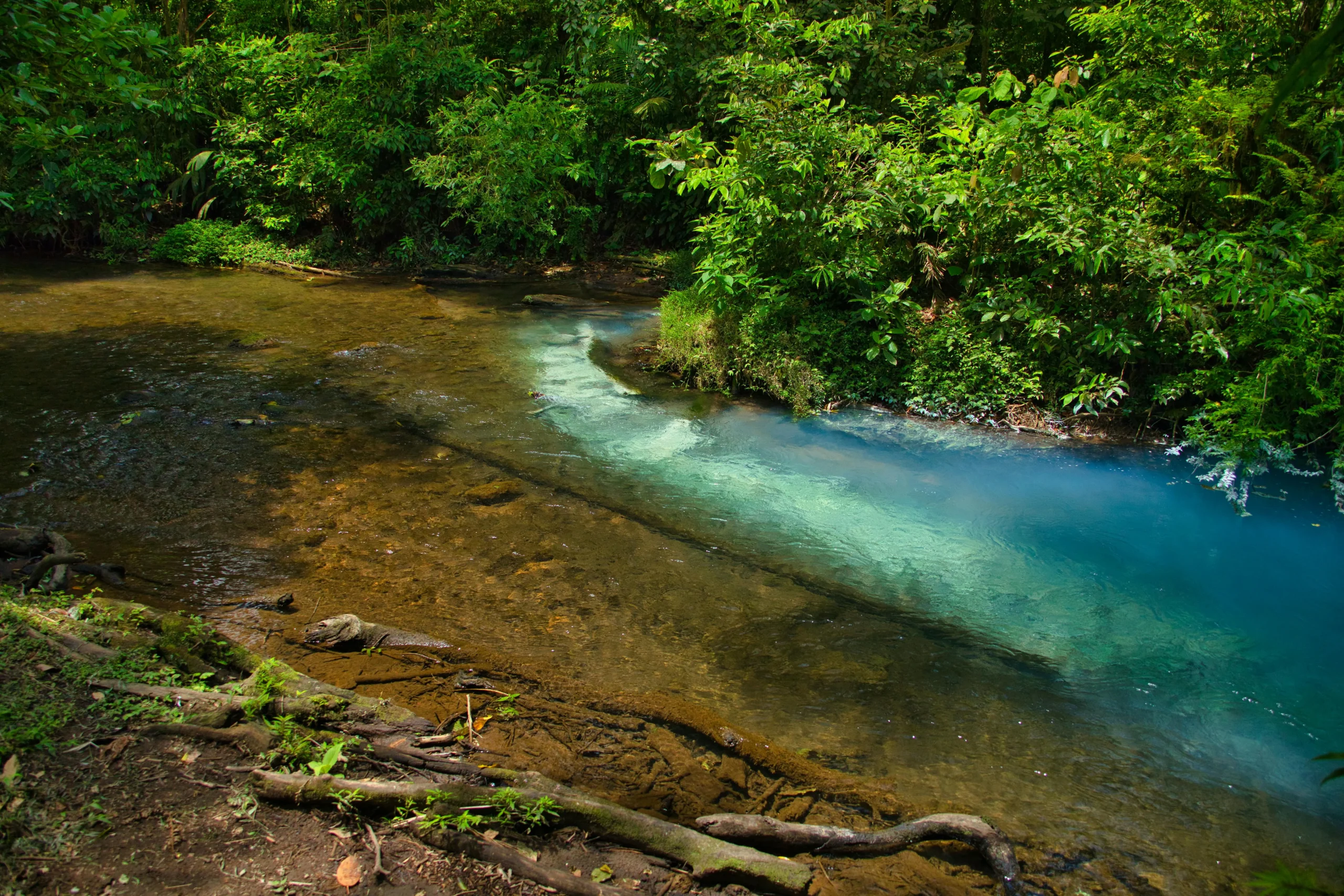
The Upala Advantage
Upala functions as a geographic anchor for the curious. You strip away the polished resort facades of the coast and hit raw agricultural heartland. Extending your stay in the northern highlands directly fuels rural communities that rarely see mass tourism dollars. By sleeping in local lodges rather than retreating to coastal chains, you support sustainable travel in the Alajuela province. The air feels heavier here. The rains arrive without warning. You learn to adapt to the rhythm of the cloud forest rather than fighting it.
Subterranean Wonders: Venado Caves
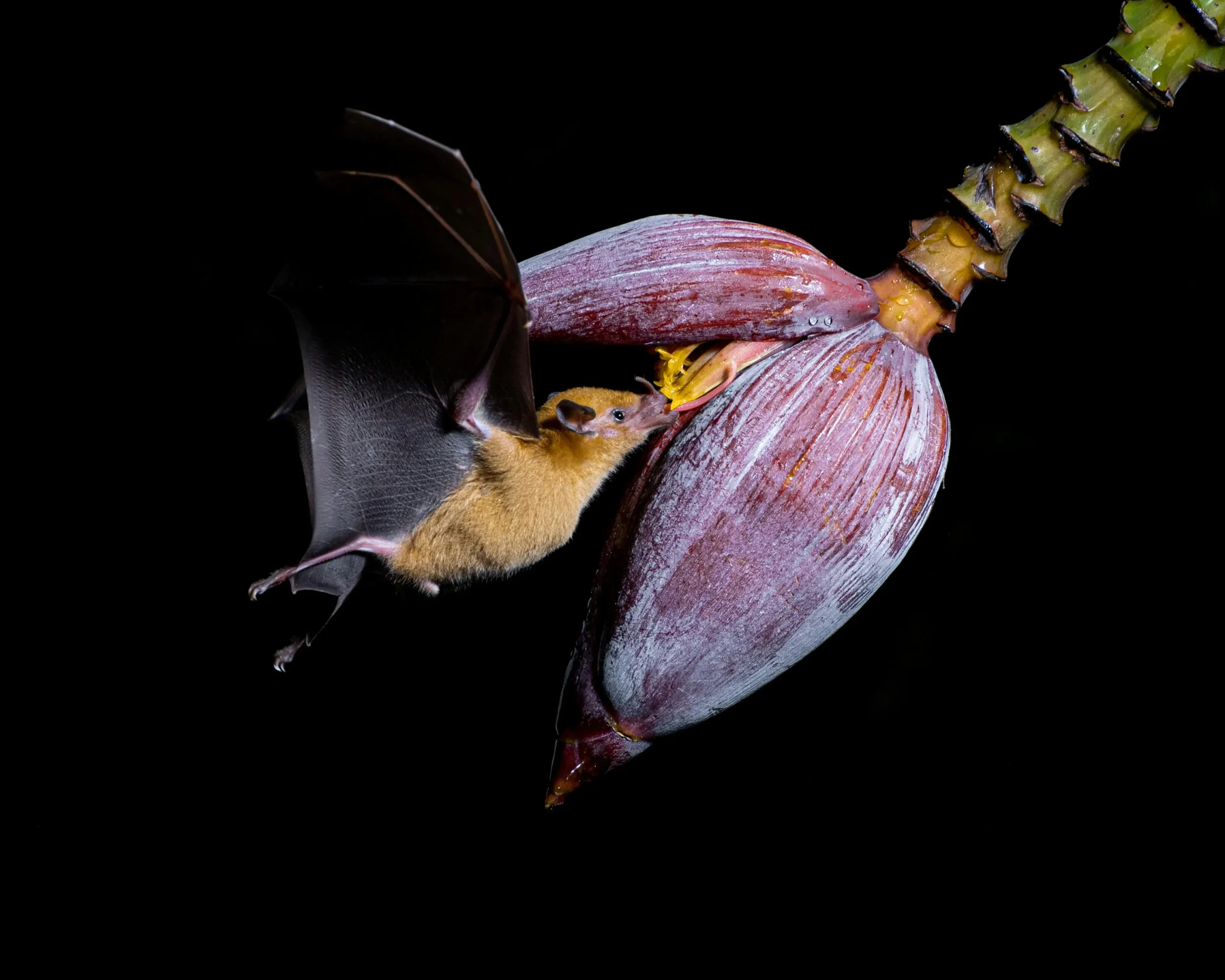
Eight rooms of limestone labyrinths sit beneath the surface of San Carlos. Water drips relentlessly from jagged stalactites. Exploring this system requires wading chest-deep through underground streams. Fruit bats hang overhead, shifting in the damp drafts. Navigating through teh dark means trusting your headlamp and the local guide leading you through the narrow limestone fractures. This is an active, wet ecosystem.
The Blue Rival: Blue Falls of Costa Rica and Catarata del Toro
The Bajos del Toro region challenges the monopoly of the Tenorio Volcano. Catarata del Toro drops a staggering 300 feet straight into an extinct volcanic crater. Acidic mist coats the surrounding ferns, turning the basin floor into an otherworldly green amphitheater. Just down the road, the Blue Falls of Costa Rica cut through the dense jungle with electric-blue mineral water. Access requires paying at the private gate, and trails close rapidly during heavy rainfall. Check the official Catarata del Toro reserve portal before making the drive.
Water cuts rock. It always does. The volcanic craters of Alajuela show exactly what happens when acidic rivers spend millennia grinding against bedrock.
Wildlife Sanctuaries: Boca Tapada
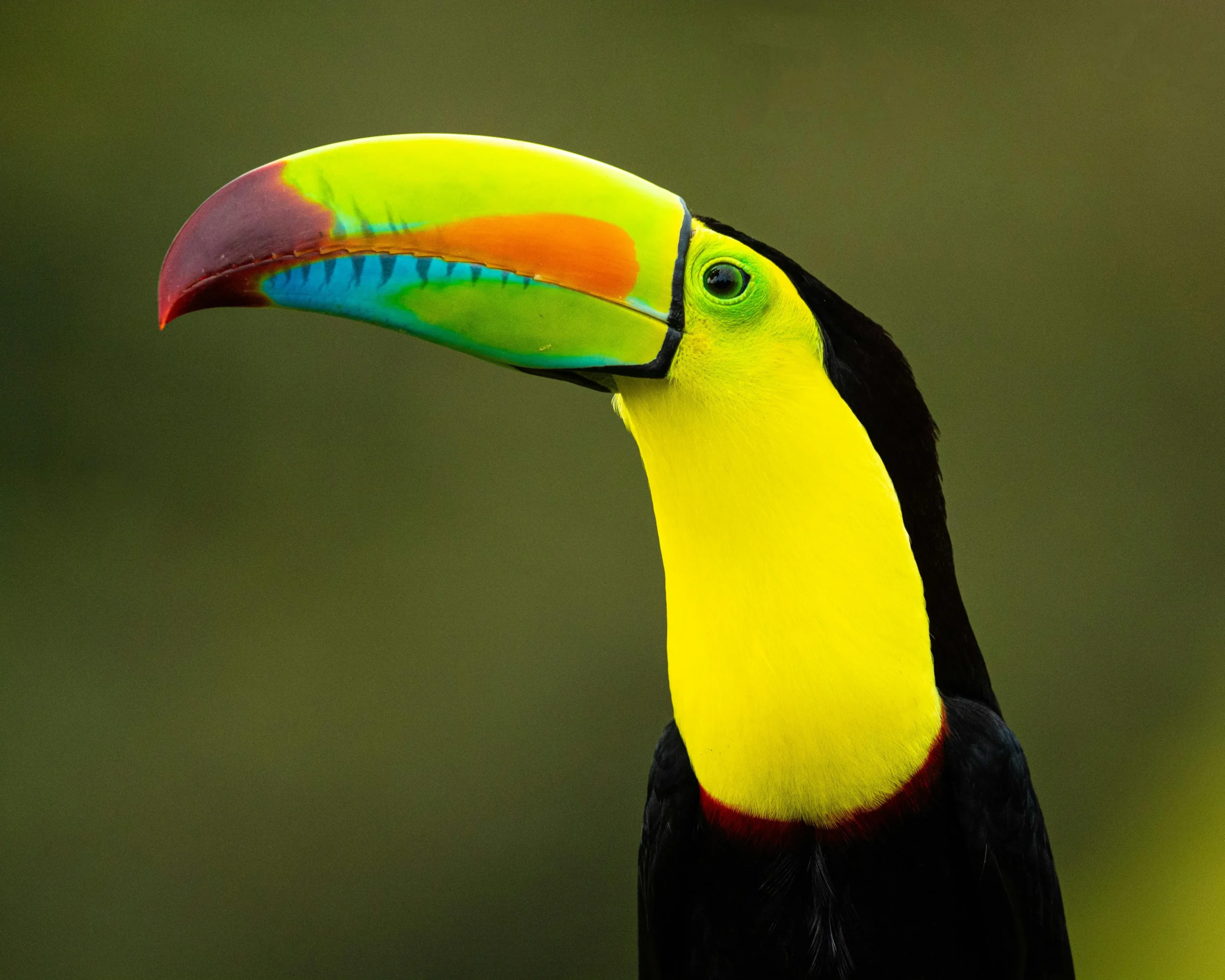
Boca Tapada sits on the remote northern edge of the country. The endangered Great Green Macaw commands the canopy here. Birdwatchers tolerate muddy boots and unpredictable river crossings just to spot a mating pair. The Sistema Nacional de Áreas de Conservación (SINAC) strictly monitors these habitats to prevent poaching. You trade cellular service for raw, unfiltered rainforest observation.

Wetland Expeditions: Palo Verde National Park
The Tempisque River basin floods seasonally. This cycle draws massive migratory bird colonies and heavy-jawed crocodiles to the mudflats. River boat tours push through the dense mangroves, exposing the raw predatory hierarchy of the wetlands. The dry season concentrates the wildlife around shrinking water holes. The wet season disperses them. Your experience shifts entirely depending on the river banks they are returning to.
Cultural Immersion: Bribri Indigenous Territory
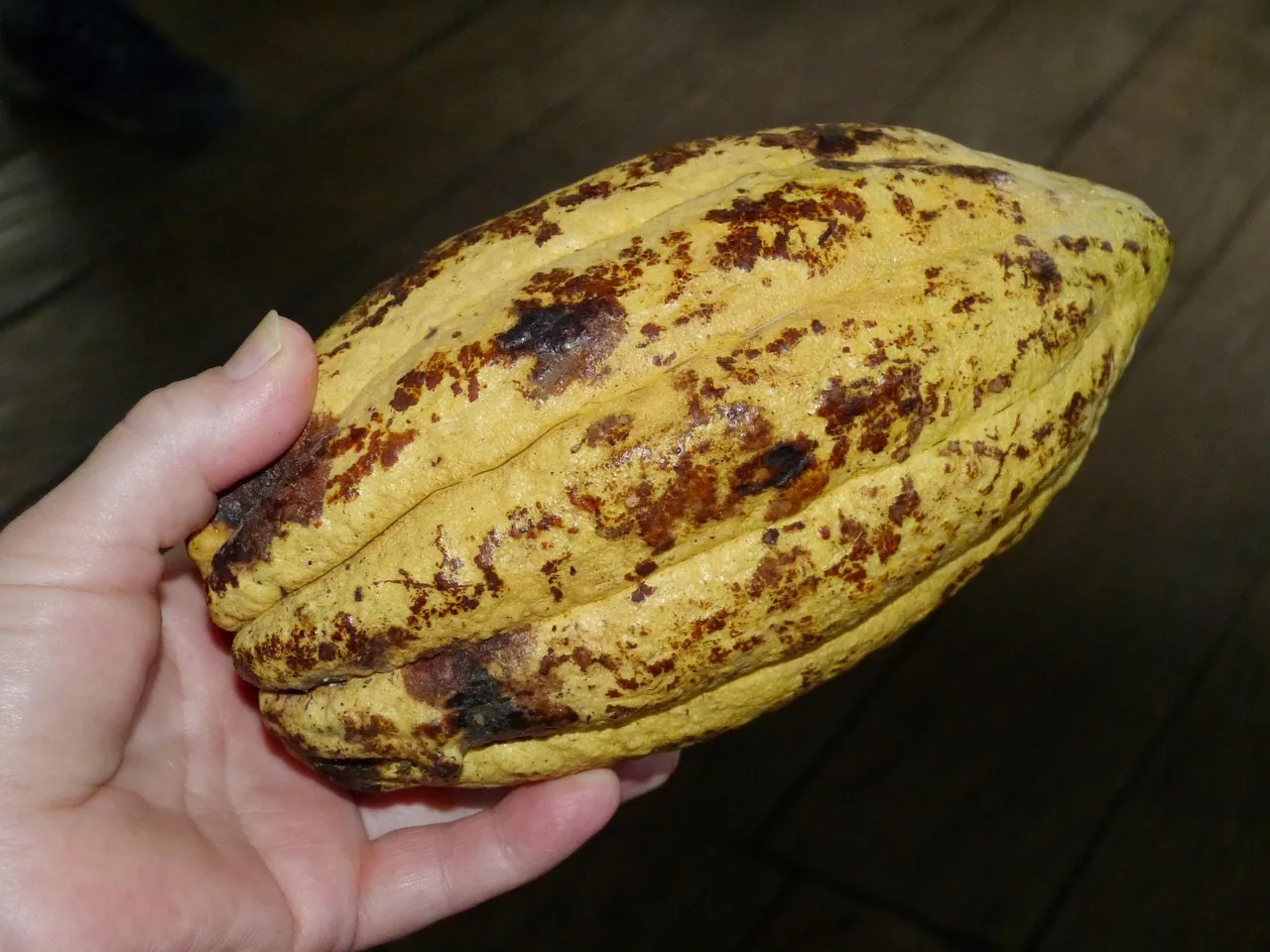
Pushing further south into the Talamanca mountains requires a deliberate detour. The Bribri Indigenous Territory operates outside the standard tourist circuit. Cacao ceremonies here involve roasting, grinding, and brewing raw pods over open flames. You learn about medicinal plant wisdom passed down through oral tradition. Engaging with these communities requires profound respect for their sovereignty.
Historical Roots: Juan Santamaría Historical Cultural Museum
Alajuela City holds the bloodstained history of the 1856 campaign. William Walker’s filibuster invasion met its end thanks to a local drummer boy who torched the enemy stronghold. The Museo Histórico Cultural Juan Santamaría archives these 19th-century military artifacts. Understanding this defiant national pride recontextualizes the independence of the rural communities you pass through.
Coffee Culture: Aquiares Coffee Estate
Turrialba houses the largest continuous coffee farm in the nation. The Aquiares Estate sets the baseline for carbon-neutral farming. They can accomodate deep-dive agritourism, walking visitors through the entire lifecycle of the bean. A historic church anchors the plantation grounds, surrounded by rows of meticulously pruned coffee shrubs. It requires a drive out of the northern highlands, but the agricultural contrast is striking.
Highland Birding and Coastal Solitude
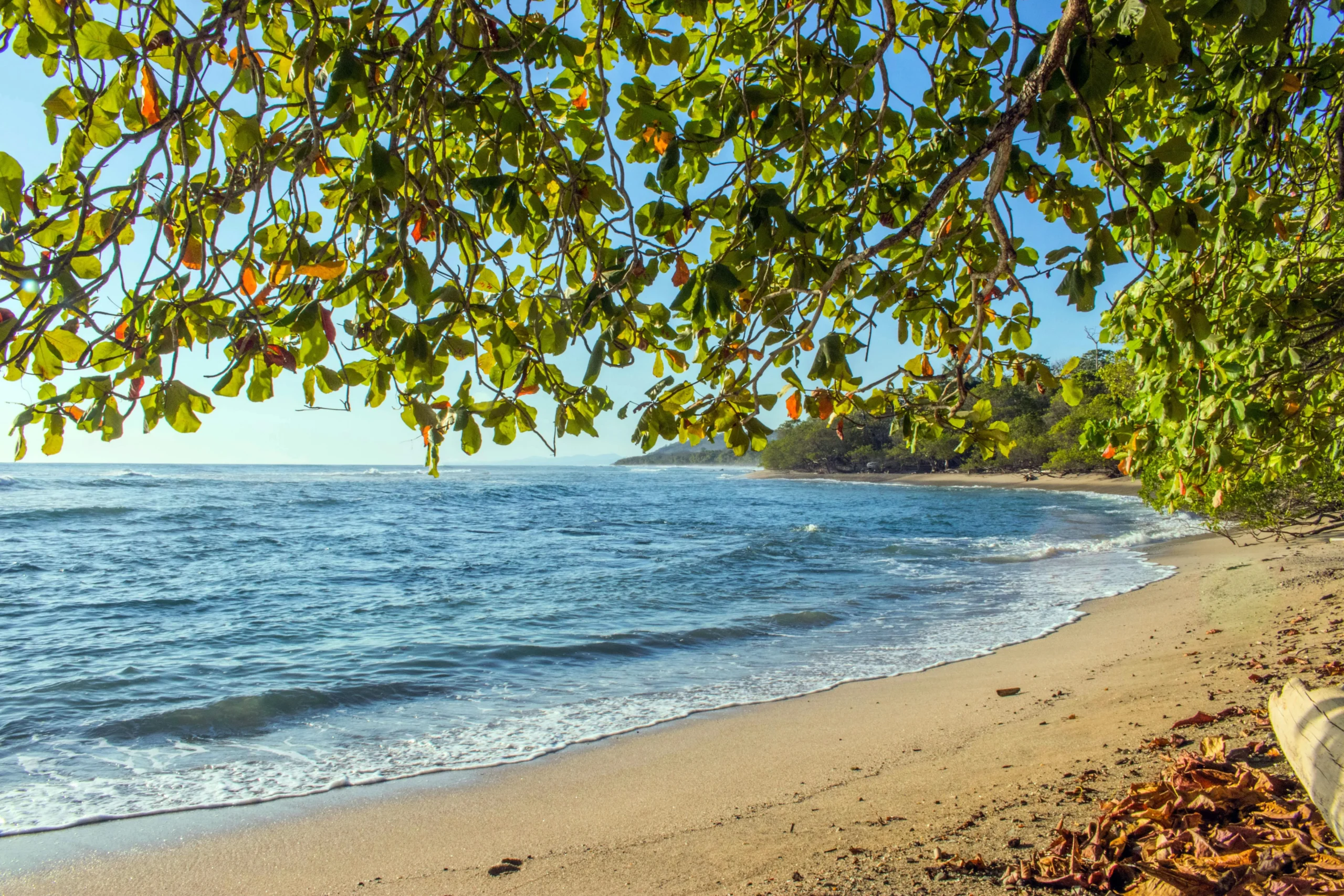
San Gerardo de Dota drops the temperature fast. The cold air of the Talamanca Range supports wild avocados—the primary food source for the Resplendent Quetzal. Spotting one requires patience, heavy jackets, and silence. If the high-altitude cold wears you down, point the vehicle toward the Pacific. Playa San Miguel offers massive stretches of undeveloped grey sand. You will not find beach clubs here. You find aggressive solitude and heavy shorebreaks.
Practical Tips for Regional Hopping
Moving between these remote locations demands preparation. A 4×4 vehicle is entirely non-negotiable if you plan to stray from Route 1 or Route 4. Washouts happen fast.
| Attraction | Location | Key Highlights |
|---|---|---|
| Venado Caves | San Carlos, Alajuela | 10-room limestone cave system, underground rivers, bat colonies. |
| Blue Falls of Costa Rica | Bajos del Toro, Alajuela | Electric-blue volcanic mineral water, cloud forest setting. |
| Boca Tapada | Northern Region | Remote sanctuary for the endangered Great Green Macaw. |
| Aquiares Coffee Estate | Turrialba, Cartago | Largest coffee farm, historic church, plantation tours. |
| Playa San Miguel | Pacific Coast | Undeveloped grey sand beach, extreme solitude. |
- Read the essential safety guide for driving in Costa Rica before signing a rental agreement. Unpaved shortcut routes routinely destroy standard sedans.
- Carry physical cash in local currency. Many remote gates and private reserves lose card machine signal during afternoon storms.
- Reference the ultimate rainforest packing list to ensure you have dry bags. Electronic gear dies quickly in the high-humidity zones of Boca Tapada.
Travel times map apps provide are suggestions, not reality. Add an hour to every route. Mud, cattle crossings, and single-lane bridges dictate the pace.
Crafting Your Northern Itinerary
Slow down. Racing from a Rio Celeste tubing adventure straight to the Venado Caves in a single afternoon leads to exhaustion. Group your activities geographically. Spend three days exploring the immediate Tenorio and Upala corridor, perhaps joining a dedicated nature hike to understand the volcanic geology, before shifting south toward Bajos del Toro. You absorb the environment when you stop treating the map like a checklist.

Tubing in Rio Celeste
⭐ Tubing Experience
🔥 Booked 8 times today

Rio Celeste Horseback Riding Tour
⭐ Rio Experience
🔥 Over 213 reviews – Verified quality

Tubing in Rio Celeste
⭐ Tubing Experience
🔥 Professional local guide included

Horseback riding Rio Celeste
⭐ Horseback Experience
🔥 High demand: 10 people viewed today

Río Celeste Swimming Hole Path
⭐ Río Experience
🔥 High demand: 28 people viewed today

Rio Celeste Tubing & Swimming Adventure
⭐ Rio Experience
🔥 Professional local guide included