Understanding the ‘Pura Vida’ Lifestyle
Introduction: Beyond the Postcard
Pura Vida operates as the psychological baseline of Costa Rica. Far beyond a marketing slogan slapped on airport keychains, this two-word phrase defines daily existence across the country. In the Northern Highlands, particularly around the agricultural corridors of Upala and Bijagua, the motto sheds its commercial gloss and reveals its true function. The Costa Rica Tourism Board (ICT) frequently cites it as a cultural pillar, but experiencing it requires abandoning the aggressive schedules that dictate foreign life.
The phrase translates directly to “pure life,” yet its application covers greetings, farewells, expressions of gratitude, and polite deflections of stress. Tracing its linguistic roots reveals an unexpected origin. The phrase gained traction following the 1956 Mexican film ¡Pura Vida!, starring comedian Antonio Espino, who used the term to express relentless optimism in the face of misfortune. By the 1970s, the Costa Rican populace had adopted and internalized the expression, transforming it from cinematic dialogue into a societal philosophy.
The Northern Highlands Rhythm
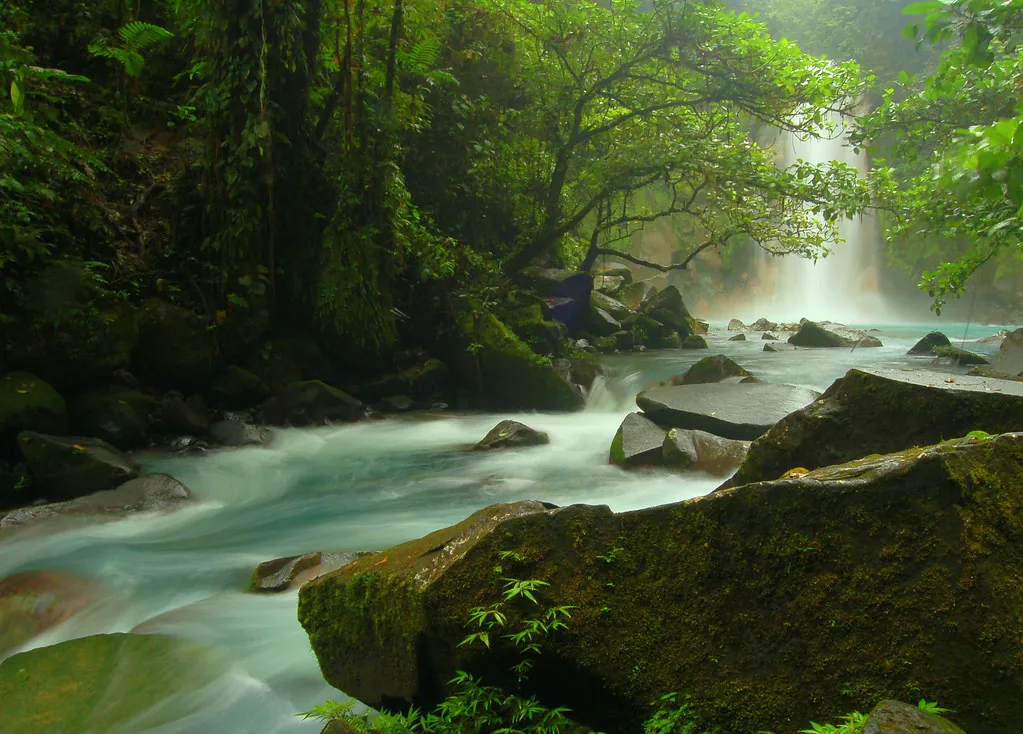
Contrast the urban gridlock of San José with the agrarian pace of Bijagua. The capital city operates on a recognizable, modern frequency driven by commerce and traffic. Bijagua, acting as the gateway to the Tenorio Volcano, runs entirely on “Tico Time.” The shopkeepers routinely close their doors for an extended midday meal, and social interactions lean heavily on the concept of sobremesa—the habit of lingering over a table long after the plates are cleared. Visitors rushing through a packed itinerary will hit a psychological wall here.
The residents view the surrounding forest not as a commodity, but as a critical neighbor. Conservation functions as a core community value. While the National System of Conservation Areas (SINAC) enforces strict environmental protections, the locals police the ecosystem with equal intensity. They protect the celestial blue water with fierce pride, ensuring it remains uncontaminated. Understanding this rhythm is a mandatory prerequisite for planning your Rio Celeste activities and deciding the best time to visit.
Pura Vida is not the absence of work; it is the absolute refusal to let work consume your humanity.
Pura Vida in Practice: Interaction Guide
Navigating the local culture requires a slight adjustment to your vocabulary and expectations. Recognizing when and how to deploy specific phrases bridges the gap between tourist and welcomed guest.
| Phrase or Concept | Direct Translation | Cultural Context and Usage |
|---|---|---|
| Pura Vida | Pure Life | Used as a greeting, a farewell, or an affirmation that everything is fine. Say it to park rangers and shop owners. |
| No Prisa | No Rush | The acknowledgment of a slower pace. Often spoken when waiting for service or enduring heavy rain delays. |
| Con Mucho Gusto | With Much Pleasure | The standard response to “thank you.” It reflects a genuine willingness to help rather than a transactional exchange. |
| Tranquilo | Quiet / Calm Down | A gentle command used by locals to reassure stressed travelers. If your transport is late, you will hear this word. |
Community, Sustainability, and the Local Economy
The Upala and Bijagua corridors sustain themselves through small-scale, community-based eco-tourism. Massive corporate resorts remain conspicuously absent from this landscape. Instead, independent, family-run lodges dot the volcanic hillsides. Securing a room in these local accommodations injects capital directly into the agrarian economy. Organizations like the Bijagua Chamber of Tourism actively promote economic models where development never outpaces ecological capacity.
When you hire a local naturalist for a Rio Celeste Nature Hike, you participate in this exact philosophy. The guides read the dense canopy with practiced ease, pointing out a white-headed capuchin or identifying the call of a Tody Motmot. This slow, deliberate observation yields the best wildlife sightings. Those craving a different vantage point can book a Rio Celeste Horseback Riding Adventure, crossing private farm trails that have belonged to the same families for generations. If you prefer the water, a Tubing Adventure in Rio Celeste forces you to stop fighting the current and let the river dictate the speed.
Pura Vida at the Dinner Table
Culinary traditions in the Northern Highlands lack pretension, mirroring the pragmatic nature of the people. The foundational meal is the casado—a robust plate combining white rice, black beans, sweet plantains, a simple cabbage and tomato salad, picadillo (chopped vegetables), and a protein like grilled chicken or fish. Ingredients are pulled directly from the immediate volcanic soil. Farm-to-table dining is not a marketed culinary concept in Upala; it is an absolute geographical necessity.
Breakfast carries equal cultural weight. A steaming plate of Gallo Pinto features day-old rice and beans fried together with onions, bell peppers, cilantro, and a heavy pour of Salsa Lizano—a tangy, slightly sweet national condiment. Meals are consumed slowly. The waitstaff at a local soda (a small, family-owned restaurant) will not rush the check to your table. They operate under the assumption that you value the conversation and the food more than a rapid departure. Demanding the bill with impatient hand gestures signals a failure to grasp the local etiquette.
Respecting the Rhythm
Embodying this mindset requires tourists to adopt a specific reverence for the landscape. The aluminosilicate minerals suspended in the river demand patience; the water turns its famous sky-blue color only when the sunlight and the current cooperate. The cloud cover in teh wet season forces you to slow down, shelter under a broad leaf, and think about the environment you are walking into.
Visitors prove they understand the local culture by aligning their actions with these principles:
- Accepting the Weather: Heavy rains can turn the river muddy in minutes. A true practitioner accepts the climate rather than complaining to park staff.
- Following the Rules: Staying on designated trails and respecting the strict park rules—specifically the ban on swimming—proves you value the ecosystem over a photo opportunity.
- Packing Out Waste: Leaving no trace ensures the water source remains uncontaminated for the communities downstream.
Conclusion: Taking the Spirit Home
The real challenge involves carrying that measured, deliberate pace back to the concrete environments of North America or Europe. Packing a bag and returning to a high-stress occupation strips away the tranquility acquired in the rainforest. Yet, the memory of the blue river and the unhurried conversations in Bijagua serves as a mental anchor. Pura Vida persists as a reminder that time is not an enemy to be managed, but a resource to be experienced.