Safety Guide for Solo Travelers in Costa Rica
The Independent Adventurer in the Northern Highlands
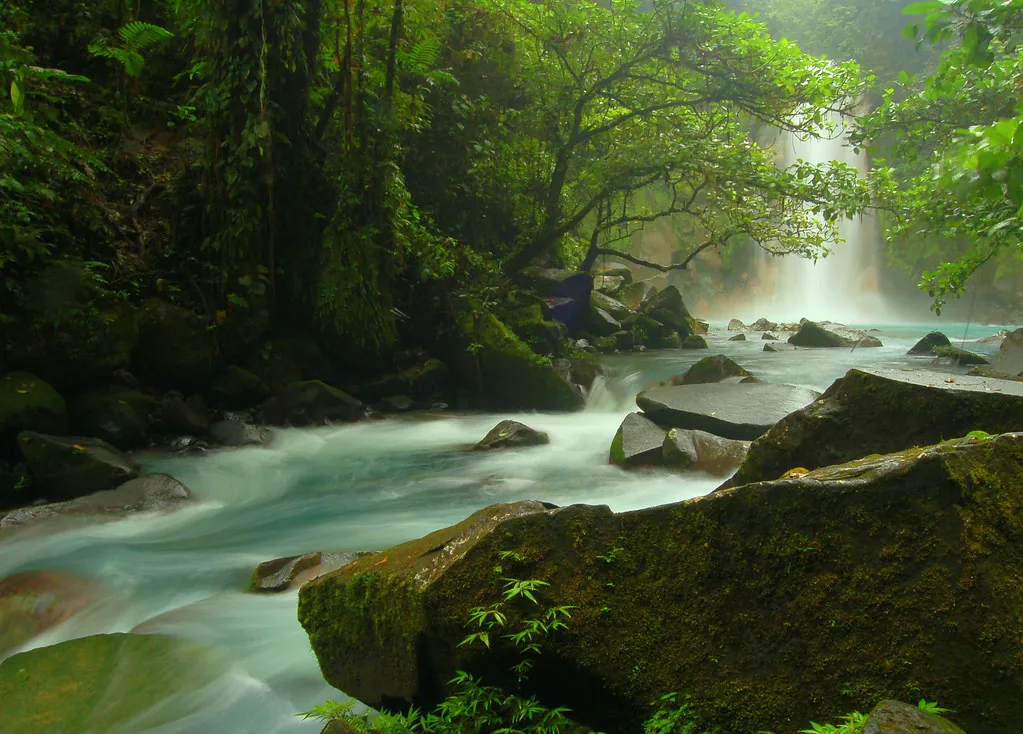
Traveling solo through the Northern Highlands of Costa Rica requires a specific blend of self-reliance and environmental awareness. The Tenorio Volcano National Park dictates its own terms. You are entering a dense rainforest environment where the sky-blue water of Rio Celeste commands international attention. This striking color is not magic; it is a rapid chemical phenomenon caused by the aggregation of aluminosilicate minerals at a highly specific pH level where two distinct rivers merge. Crowds flock to the main trailheads during the dry season, yet the surrounding trails, transit routes, and dense primary forests remain unforgiving for the unprepared. Understanding teh geological reality of this terrain is your absolute first line of defense against both physical injury and logistical failure.
Personal Boundaries and the Local Mindset
Costa Ricans operate on the cultural philosophy of Pura Vida. It translates broadly to a deep appreciation for life, manifesting as extreme hospitality and a relaxed approach to rigid schedules. Solo travelers often interpret this warmth as a universal safety net. That assumption obscures genuine risks. While violent crime in the rural Bijagua district remains statistically low, opportunistic theft targets those who leave bags unattended on riverbanks or rental car doors unlocked at remote trailheads. Friendly locals will frequently offer directions, but rural spatial awareness relies on landmarks—a painted bridge, a specific massive Guanacaste tree—rather than kilometer markers. Navigating the region requires hard data and preparation, not just local goodwill. You must maintain firm personal boundaries and retain control of your itinerary.
Logistics & Transport
For solo travelers, private shuttles are significantly safer and more reliable than public buses when accessing remote areas like Bijagua. Avoid the stress of navigating unpaved roads after dark; refer to our Driving Safety Guide for regional road conditions.
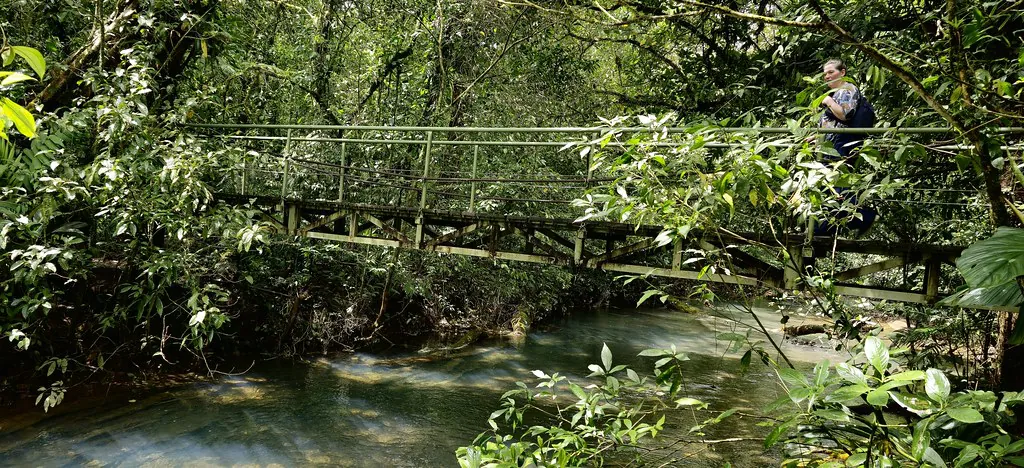
The public bus route from San José or Liberia to Bijagua provides direct service and drops you in the town center. However, relying on public transit still exposes you to unregulated gypsy cabs and prolonged waits on the shoulder of Route 6 if your lodge is located outside of the main village. Private shared shuttles from recognized companies like Interbus or RideCR provide tracked, door-to-door transit. They vet their drivers, maintain air-conditioned fleets equipped with GPS, and operate on rigid, predictable schedules. The winding roads climbing toward the Tenorio Volcano lack street lighting and frequently succumb to dense fog banks by late afternoon. Night driving presents immediate physical dangers. Potholes can swallow a tire, and massive washouts occur without warning during the intense rains of the green season. If you choose to rent a vehicle, review our transportation logistics carefully to ensure you secure a 4×4 with the appropriate clearance.
Connectivity & Digital Safety
Staying connected is your best safety tool. Ensure you have a local SIM card for reliable data. Use apps like WhatsApp to share your live location with family and Waze for real-time navigation. Always maintain a digital copy of your itinerary and emergency contacts.
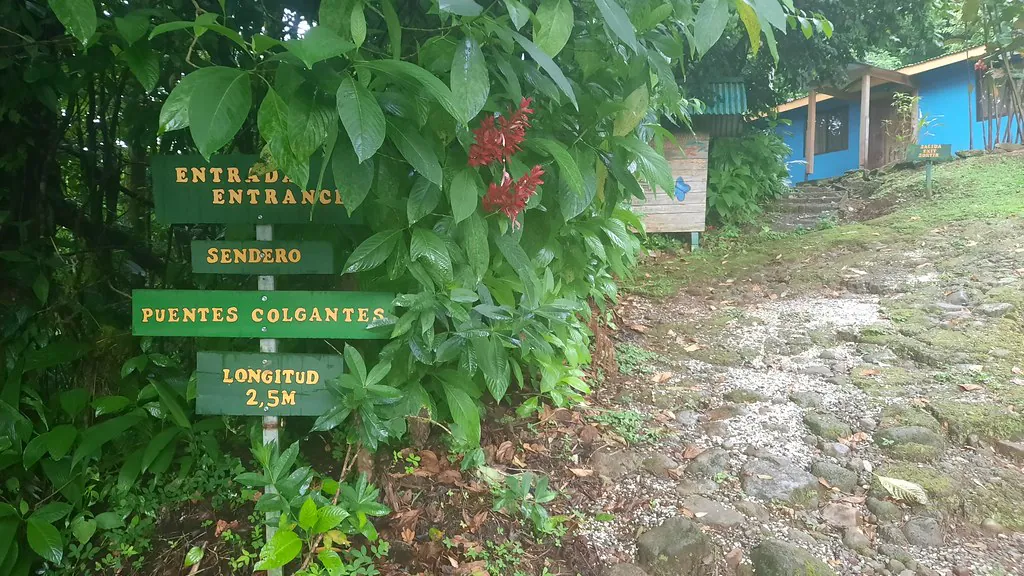
We highly reccomend purchasing a local prepaid SIM card at the Juan Santamaría (SJO) or Guanacaste (LIR) airports immediately upon arrival. Major national providers like Kolbi (ICE) maintain the strongest signal dominance in the Northern Highlands and the rural sectors of Alajuela. Claro and Movistar offer adequate coverage in the center of Bijagua but drop out completely as you approach the elevated park boundaries. Waze dominates Costa Rican navigation. Google Maps frequently routes unsuspecting drivers down impassable farming paths or across unbridged rivers that flood daily. Download offline maps before leaving your hotel room. Establish a strict digital check-in routine with your emergency contacts. Delay posting your exact location on public social media to prevent opportunistic tracking by individuals observing tourist movements.
Social & Trail Safety
Leverage group tours to meet fellow travelers and ensure you are never truly alone in the wilderness. Stick to marked trails within Tenorio Volcano National Park and always follow the guidance of park rangers.
The wilderness does not care about your experience level or confidence. Within the park, staying on the officially marked trails is a non-negotiable survival tactic. The volcanic terrain surrounding Rio Celeste masks deep mud pits, unstable thermal vents, and highly venomous wildlife. Eyelash vipers and wandering spiders camouflage perfectly against tree trunks and damp leaf litter. Never cross the barrier ropes near Los Borbollones, where boiling sulfur vents create toxic micro-environments. Park rangers patrol the primary routes, creating a controlled environment for independent hikers. The descent to the main waterfall involves 250 steep, often slick concrete stairs. A twisted ankle in this extreme humidity escalates quickly into a severe medical emergency requiring a complex extraction. Always tell someone the precise trail you’ll be hiking on.
Booking a verified group excursion connects you with vetted, English-speaking guides who act as an immediate safety buffer against the environment. If you want to experience the water itself, booking a Rio Celeste Tubing & Swimming Adventure provides a structured, guided float down the blue river outside the restricted park limits where swimming is strictly prohibited. Similarly, joining a Rio Celeste Horseback Riding Tour allows you to cover difficult, muddy terrain under the close supervision of local equestrian experts. These operators continuously monitor shifting weather conditions and sudden changes in river currents, removing the heavy burden of risk assessment from your shoulders.
Financial Security and Medical Preparedness
Cash commands the rural economy. While your lodge and the official park entrance accept major credit cards, the small pulperías and local roadside sodas in Bijagua operate strictly on Colones. ATMs in the village remain notoriously unreliable. They run out of cash by the weekend or suffer prolonged network outages following heavy afternoon thunderstorms. Withdraw your necessary funds in larger hubs like Liberia or La Fortuna before ascending into the mountains. Keep small denominations separated from your main wallet in a secure daypack pocket to avoid flashing large bills when purchasing a simple bottle of water.
Health emergencies in a remote rainforest demand immediate, decisive action. The local EBAIS clinic in Bijagua handles minor injuries, severe dehydration, and basic stabilization. For serious trauma or specialized emergency care, the nearest fully equipped facility is Hospital Enrique Baltodano Briceño in Liberia, requiring roughly an hour of transport down the mountain. The national emergency number is 911, and central operators routinely speak English. Hydration and proper gear prevent the vast majority of medical issues here. The ambient tropical humidity traps sweat against your skin, accelerating fluid loss even under the dense forest canopy. Review our planning guide and rainforest packing essentials to ensure you arrive equipped with heavy-duty trail footwear and moisture-wicking clothing capable of handling the environment.
Strategic Accommodation Choices
Where you sleep dictates your daily security routine. Choose lodges and boutique hotels in Bijagua that staff their front desks twenty-four hours a day. This provides an extra layer of physical security and a constant, reliable point of contact for local advice regarding trail closures or severe weather warnings. Staying locally allows you to reach the park gates right when they open at 8:00 AM, beating the massive, slow-moving tour buses arriving from the coastal resorts. Review our curated lodging recommendations to identify accommodations that prioritize independent guest safety, maintain secure perimeters, and foster solid relationships with local emergency transport services.
Essential Resources
- Visit Costa Rica (Official Tourism Board) – Baseline safety protocols and national travel alerts.
- SINAC Official Portal – The only secure, government-mandated platform for purchasing your Tenorio Volcano National Park entry tickets.
- U.S. Embassy Costa Rica – Direct contact information for emergency services, passport replacement, and international assistance.
Pro Tip: Choose lodges in Bijagua with 24/7 staff. It provides an extra layer of security and local knowledge that proves invaluable for solo explorers navigating unpredictable weather.