Sustainable Travel in the Alajuela Province
The Alajuela Ethos: A Blueprint for Regenerative Travel
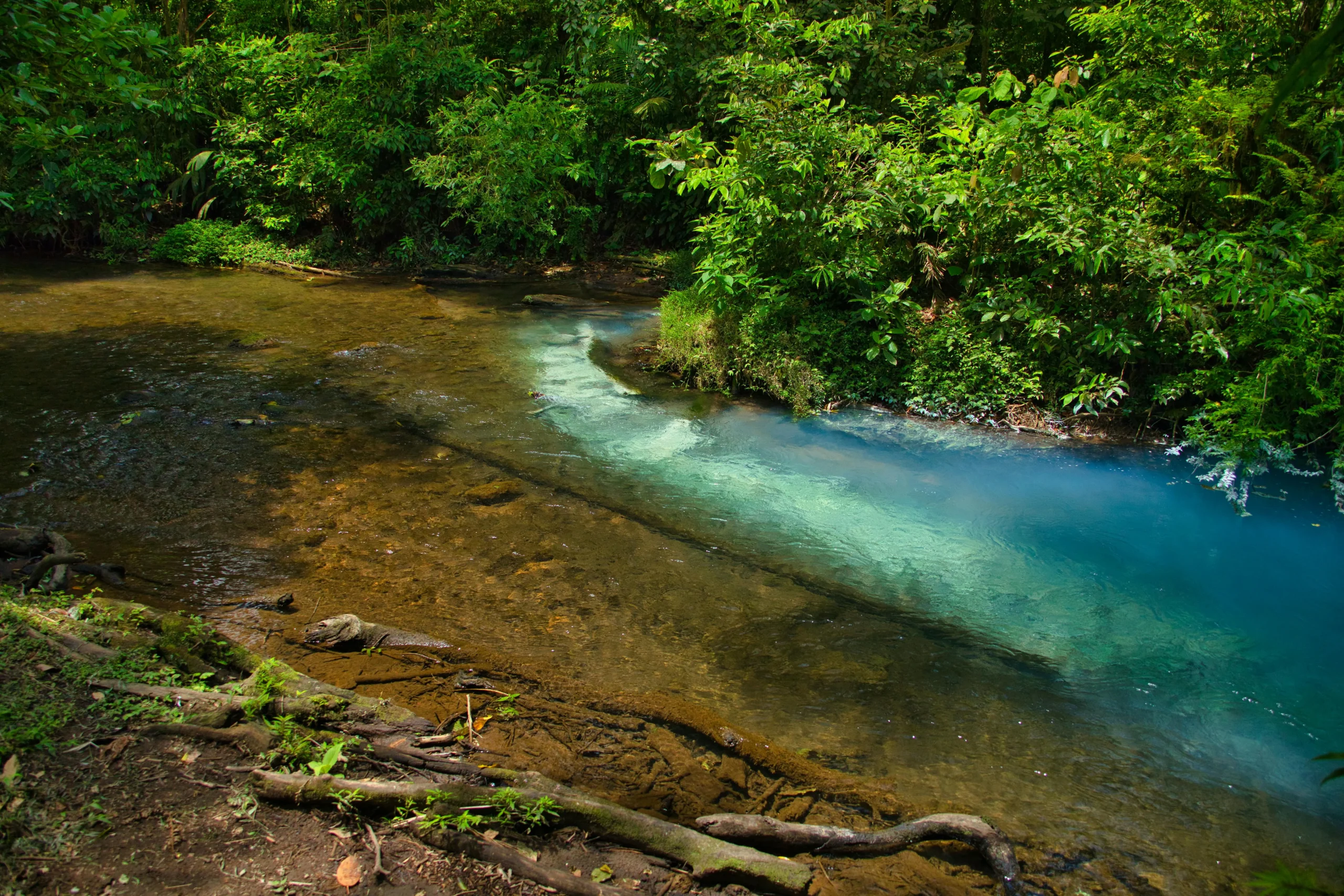
The Northern Highlands defy the traditional consumption model of mass tourism. When you cross into the Alajuela province, the landscape shifts from sprawling commercial resorts to dense, primary rainforests heavily guarded by strict ecological protocols. Regenerative tourism here operates not as an industry buzzword, but as a mandatory survival strategy for the local ecosystems. The aluminosilicate minerals that turn the Rio Celeste its signature sky-blue color depend entirely on a fragile watershed. Human interference easily throws off this sensitive chemical balance. This is the kind of wild, untamed environment you want to be a part of.Travelers carry a heavy responsibility when stepping foot into the Tenorio Volcano National Park. Every dollar spent, every trail walked, and every piece of waste generated leaves a lasting footprint on the micro-ecosystems of the region. By shifting your mindset from a passive consumer to an active steward, you support the long-term viability of the communities that guard these forests.The Bijagua Connection: Keeping Capital Local
Bijagua serves as the gateway to the Rio Celeste, functioning as a small agricultural hub rather than a highly developed tourist trap. Booking a family-owned accomodation near the park gates does more than reduce your morning transit time. It locks your financial contribution directly into the village economy. When funds bypass international hotel chains and land in the hands of local business owners, the entire community gains the economic stability required to resist selling land for mass agricultural clearing.Seek out businesses displaying the Certification for Sustainable Tourism (CST) logo. Administered by the Costa Rican Tourism Board (ICT), this rigorous certification evaluates a company’s management of natural, cultural, and social resources. Eating at a local soda (a small, family-run restaurant) guarantees you are consuming “Km 0” food—ingredients sourced directly from the surrounding farms. This farm-to-table practice cuts down on transportation emissions while supporting the regional farmers who cultivate cacao, tubers, and heart of palm in the volcanic soil.For specific recommendations on where to stay that align with these values, consult our Lodging & Accommodations guide.| Action | Impact on Alajuela | Recommended Practice |
|---|---|---|
| Dining locally | Supports local farmers (Km 0) | Choose farm-to-table sodas in Bijagua |
| Waste management | Protects the fragile watershed | Adopt a strict zero single-use plastic policy |
| Wildlife observation | Maintains natural animal behaviors | Observe quietly from a 10+ meter distance |
| Transportation | Reduces regional carbon footprint | Book shared shuttles over private rentals |
Funding the Frontlines of Conservation
Your entry ticket into Tenorio Volcano National Park acts as a direct investment in Costa Rica’s biodiversity. These funds pay for trail maintenance, anti-poaching patrols, and the salaries of the park rangers who protect the reserve. The National System of Conservation Areas (SINAC) relies heavily on visitor revenue to maintain the infrastructure that keeps human foot traffic contained to designated paths. Stepping off the trail crushes delicate root systems and accelerates soil erosion in an area already prone to heavy rainfall.Many travelers choose to hire local guides positioned near the park entrance. These independent experts possess deep generational knowledge of the flora and fauna. Hiring them incentivizes the preservation of the forest. Costa Rica’s broader conservation success ties directly into initiatives like FONAFIFO, a national program that pays landowners to protect trees rather than cut them down. Your localized spending reinforces this nationwide commitment to standing forests. Check our Tickets & Tours page to understand how official park entries fund these exact initiatives.Wildlife Ethics & The Lens

Hands-Off Wildlife
Feeding or touching wild animals inflicts immediate and severe damage. Sloths digest food at an incredibly slow rate; feeding them foreign fruits or human snacks triggers life-threatening metabolic distress. White-headed capuchin monkeys alter their natural foraging routes when conditioned by human handouts, leading to aggressive behavior and territorial disputes. Maintain a minimum distance of ten meters from all wildlife. If an animal changes its behavior because of your presence, you are standing too close.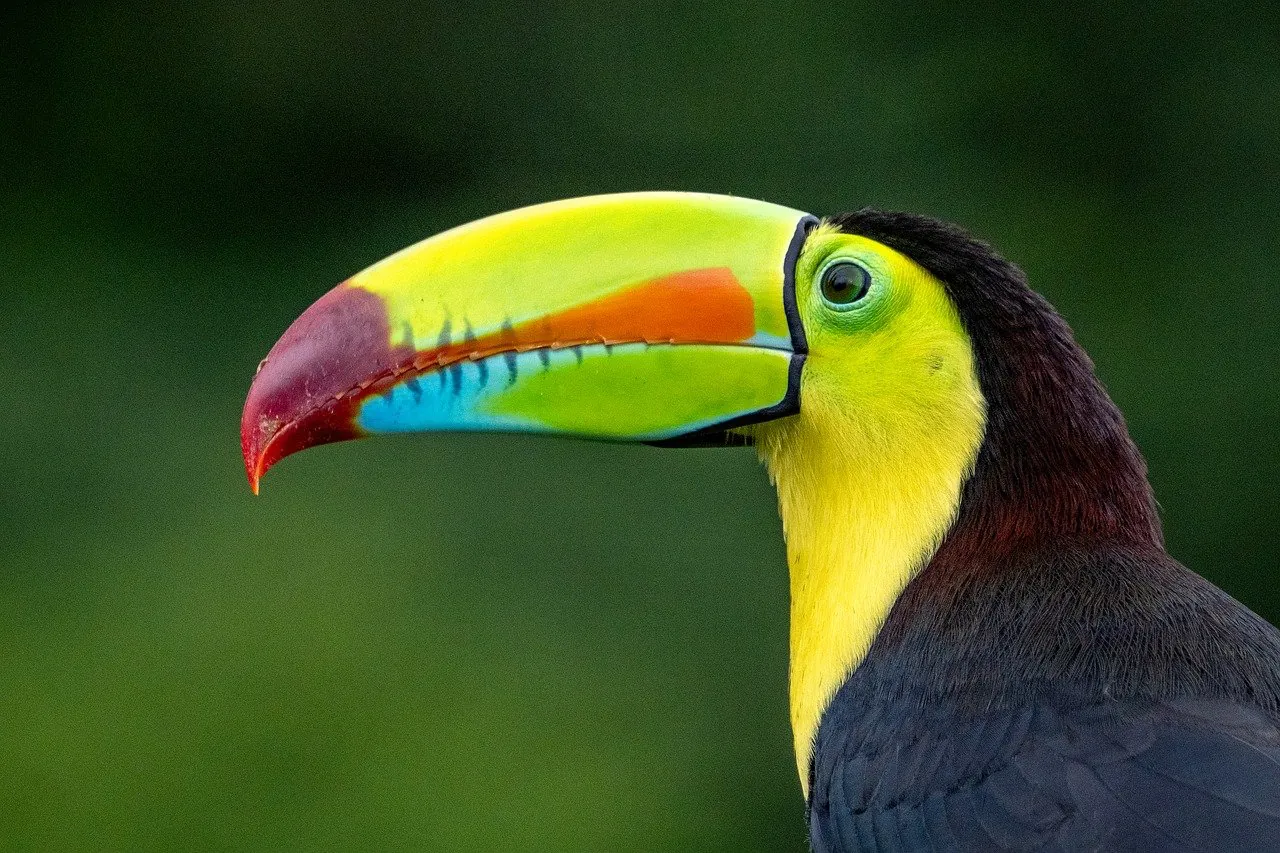
Responsible Photography
The pursuit of the perfect photograph frequently pushes visitors to cross ethical boundaries. Using flash photography blinds nocturnal species and startles nesting birds like the Keel-billed toucan. Audio playback—the practice of using recorded bird calls to lure species out of the brush—causes extreme stress and disrupts mating patterns. Furthermore, you must strip exact location data from your uploads; geotagging sensitive habitats attracts poachers and overwhelming foot traffic. Review our strict Visitor Rules & Guidelines regarding the absolute ban on recreational drones inside the park.Protecting the Celestial Watershed
The Rio Celeste originates from the convergence of two distinct rivers—the Buenavista and the Sour. The resulting chemical reaction creates the optical illusion of bright blue water. This delicate system cannot process synthetic chemicals. Applying standard sunscreen or insect repellent before entering areas where agricultural runoff meets the river introduces toxic compounds to the aquatic life below the surface.“The true value of the Rio Celeste lies not in its color, but in the purity of the water that supports the entire Tenorio ecosystem.”
Navigating the Volcanic Terrain Sustainably
Transportation accounts for the largest segment of a traveler’s carbon footprint. The isolated nature of the Northern Highlands requires thoughtful logistics. Driving heavy, gas-guzzling rental vehicles along the primarily flat and straight stretches of Route 6 burns excessive fuel. Shared shuttles consolidate passengers and significantly cut down on emissions. If you choose to rent a vehicle, selecting a hybrid model mitigates your impact. Read our Essential Safety Tips for Driving to understand the terrain demands before making a reservation.Always pack out what you pack in. The humidity of the rainforest accelerates the breakdown of microplastics, driving them deep into the volcanic soil.