The Ultimate Rainforest Packing List
The Reality of the Rainforest Microclimate
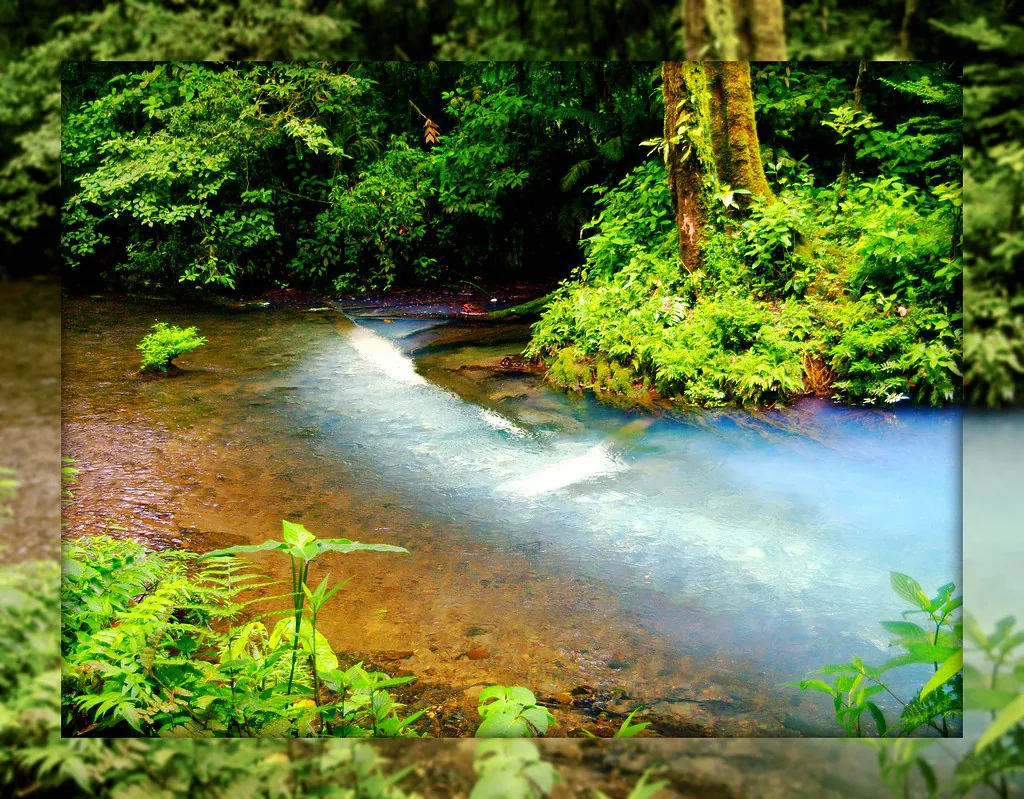
The cloud forest of Tenorio Volcano National Park operates under its own meteorological rules. Standard hiking gear fails spectacularly in an environment maintaining 80 to 90 percent humidity year-round. When you hike down the 250 steep steps to the main waterfall, you confront wet clay, jagged volcanic rock, and sudden tropical downpours. The sky-blue water results from a complex optical illusion caused by aluminosilicate minerals suspended in the river. Getting to that view requires navigating a slick, unforgiving trail under a dense canopy that traps moisture like a greenhouse. Proper preparation dictates whether you complete the trek in comfort or turn back early due to chafing, blisters, or equipment failure.
Understanding adiabatic cooling helps explain the park’s specific climate. As warm, moist air blows in from the Caribbean coast, it hits the slopes of the Tenorio Volcano and rises. The air cools, condenses, and dumps massive amounts of rain over the Alajuela province. Even during the designated dry season, the canopy drips constantly. You are packing for a saturated environment. Your entire gear strategy must revolve around moisture management, thermal regulation, and aggressive traction.
The Golden Rule: Moisture Management
Cotton is a severe liability in the Costa Rican highlands. Once a cotton t-shirt absorbs sweat or rain, the fibers swell and hold that moisture indefinitely. In high-humidity conditions, evaporation slows to a crawl. Moisture trapped against your skin leads to painful chafing and a sudden drop in core body temperature if a strong wind picks up near the volcanic ridges. You must prioritize synthetic weaves or lightweight Merino wool.
These materials operate differently on a microscopic level. Synthetic fabrics like polyester or nylon pull sweat away from your body and push it to the outer surface of the garment to dry rapidly in the heavy tropical air. Merino wool utilizes its natural keratin fibers and lanolin to resist odor buildup while maintaining thermal regulation even when fully soaked. Reviewing REI’s guide to layering provides a solid baseline for understanding how these specific fabrics interact with high-exertion activities in unpredictable climates. Pack two lightweight base layers. You will sweat through the first one before you even reach the river convergence point.
Navigating the Rio Celeste Mud
The trail surface consists of slick volcanic clay. Mud is a permanent fixture along the route. Smooth-soled sneakers are dangerous here. You need aggressive lug patterns designed to bite into soft earth and shed mud as you walk. A trail runner or hiking shoe equipped with a Vibram Megagrip outsole grips the uneven, wet roots lining the path. Avoid bringing heavy leather mountaineering boots. While they offer ankle support, they lack breathability. Once water overtops the collar of a leather boot, it turns into a heavy lead weight that will not dry for the duration of your trip. It’s the kind of terrain you really have to watch out for.
Many hikers debate the merits of waterproof Gore-Tex shoes versus non-waterproof mesh trail runners. In the Rio Celeste environment, non-waterproof mesh often performs better. The sheer volume of rain and the depth of the mud puddles mean water will inevitably get inside your shoes. Mesh trail runners drain instantly and dry quickly. Gore-Tex shoes trap the water inside, creating a warm, damp environment that accelerates blister formation.
| Category | Recommended Item | Why it’s Essential |
|---|---|---|
| Footwear | High-traction trail runners | Navigating slick volcanic clay and wet roots |
| Rain Gear | 10,000mm breahable shell | Surviving sudden high-humidity downpours |
| Tech | Roll-top dry bag (5L-10L) | Protecting electronics from atmospheric moisture |
| Safety | Collapsible trekking poles | Maintaining stability on the steep waterfall stairs |
Rain Gear That Actually Works
Selecting rain gear for the tropics requires balancing waterproofing with ventilation. A heavy rubberized raincoat keeps the rain out but causes massive internal condensation. You will sweat so heavily inside a non-breathable jacket that you might as well have walked in the rain. Look for a lightweight rain shell featuring a minimum 10,000mm waterproof rating and large pit zips. Mechanical ventilation—physically opening zippers under the arms—is the only effective way to dump excess body heat in 90 percent humidity.
Some hikers opt for a simple hiking poncho. Ponchos offer excellent airflow from underneath and can drape over a small daypack, keeping your gear dry. They lack the fitted precision of a jacket, making them flap wildly in high winds, but the sheer ventilation often makes them the superior choice for slow-paced jungle trekking.
Insect & Sun Protection
The thick cloud cover over Tenorio Volcano deceives many travelers into skipping sunscreen. UV rays penetrate the dense rainforest canopy easily, especially at higher elevations. Apply a high SPF sport sunscreen before stepping onto the trail. For insect protection, Picaridin outperforms DEET in tropical settings. DEET is a plasticizer; it actively degrades synthetic gear, watch bands, and camera plastics. Picaridin repels mosquitoes and biting flies effectively without melting your expensive rain jacket. Familiarize yourself with the official SINAC guidelines regarding approved, eco-friendly repellents to protect local water sources.
The “No-Trace” Kit
Park rangers at the entrance enforce strict conservation rules. Single-use plastics remain strictly prohibited inside the park boundaries. You must carry a reusable water bottle. Pack your trail snacks in durable, reusable silicone containers. Leave all plastic wrappers, grocery bags, and disposable bottles in your hotel room. If you violate these terms, rangers will confiscate the items at the security checkpoint. Read our full breakdown of visitor rules and guidelines to ensure compliance and avoid holding up the entry line.
Protecting Your Tech from Condensation
Ambient moisture destroys electronics faster than a direct drop into the river. When you pull a camera out of an air-conditioned rental car and walk into the humid jungle, the lens immediately fogs. Internal condensation forms on the circuitry of smartphones and digital cameras. To combat this, pack industrial silica gel packets inside a 5L to 10L roll-top dry bag. Store your smartphone, passport, and camera batteries in this sealed enviroment. The silica absorbs the trapped moisture, keeping your electronics functional.
The Costa Rica Tourism Board (ICT) frequently advises travelers to carry dedicated waterproof housing for specialized electronics when visiting the Northern Highlands. A simple ziplock bag fails under continuous rain pressure. Invest in a heavy-duty polyurethane dry bag with welded seams. Roll the top down at least three times before snapping the buckle to guarantee a watertight seal.
Essential Hardware: Trekking Poles and Illumination
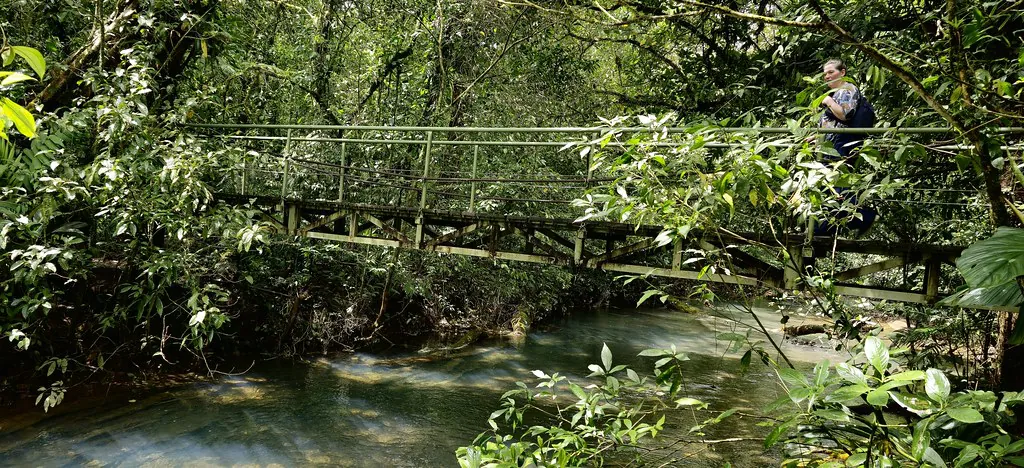
The descent to the waterfall involves 250 steep, irregular steps built into the hillside, though as of 2026, storm damage has restricted access to a midway observation deck. Navigating this section tortures the knees. Collapsible trekking poles transfer a significant portion of the load from your lower body to your shoulders and arms. They provide crucial lateral stability when stepping over wet roots or crossing small mud bogs. Choose aluminum poles over carbon fiber; aluminum bends under extreme stress, whereas carbon fiber snaps abruptly.
Always pack a high-lumen headlamp. While the park enforces a strict 4:00 PM closing time well before dusk, heavy cloud cover drops visibility significantly by mid-afternoon. If a twisted ankle or sudden storm delays your return to the trailhead, navigating the dark jungle canopy proves extremely disorienting. A reliable headlamp ensures you can safely read the trail markers and navigate efficiently to exit the park on time.
What to Leave Behind
Overpacking guarantees a miserable hike. Every extra pound amplifies the physical drain of the high-humidity atmosphere. Certain items hold zero utility in this specific ecosystem and actively hinder your progress.
- Heavy Denim: Jeans restrict your range of motion. Once wet, denim absorbs massive amounts of water, causes severe chafing, and takes days to dry in the jungle. Leave them at home.
- Drones: SINAC strictly prohibits flying drones inside the national park without a specialized research permit. Security will not allow them past the main gate.
- Umbrellas: The thick foliage and narrow corridors of the trail make umbrellas a hazard to yourself and other hikers. They snag on vines and provide zero protection from wind-driven rain. Rely on a high-quality rain shell instead.
- Heavy Telephoto Lenses: Unless you are a dedicated wildlife photographer on a specialized tour, massive 600mm lenses weigh you down on the steep stairs. Pack a versatile mid-range zoom lens.
Packing for the After-Hike Sequence
Your gear strategy extends beyond the trail and into the parking lot. Always pack a secondary duffel bag to leave securely in your vehicle trunk. This “car kit” should contain a full change of dry clothing, a highly absorbent microfiber towel, and clean sandals. You will emerge from the forest coated in mud and sweat. Sitting in wet, dirty clothes ruins the drive back to your lodging and damages rental car upholstery. If you are handling a 4×4 rental vehicle, review our extensive guide on driving in Costa Rica for managing the unpaved access roads common in the northern province.
Because swimming remains strictly prohibited inside the national park to protect the chemical composition of the water, you will not need a swimsuit on the main trail. However, many travelers want to experience the river outside the park boundaries where swimming is completely legal. If you plan to head directly to a Rio Celeste Tubing & Swimming Adventure to navigate the clear waters of the Upala region after your hike, pack your water shoes, rash guard, and dry bags in your car kit for easy access.
Aligning Your Gear with the Seasons
Understanding the seasonal weather patterns dictates exactly how aggressive your rain gear and footwear strategy needs to be. The intensity of the daily downpours shifts dramatically between November and April. Check our comprehensive best time to visit and planning guide to calibrate your packing list based on the current meteorological data. Adjusting your loadout based on precise seasonal expectations reduces your carrying weight and maximizes your efficiency on the trail.