Beyond the Turquoise Waters: The Northern Highlands Hub
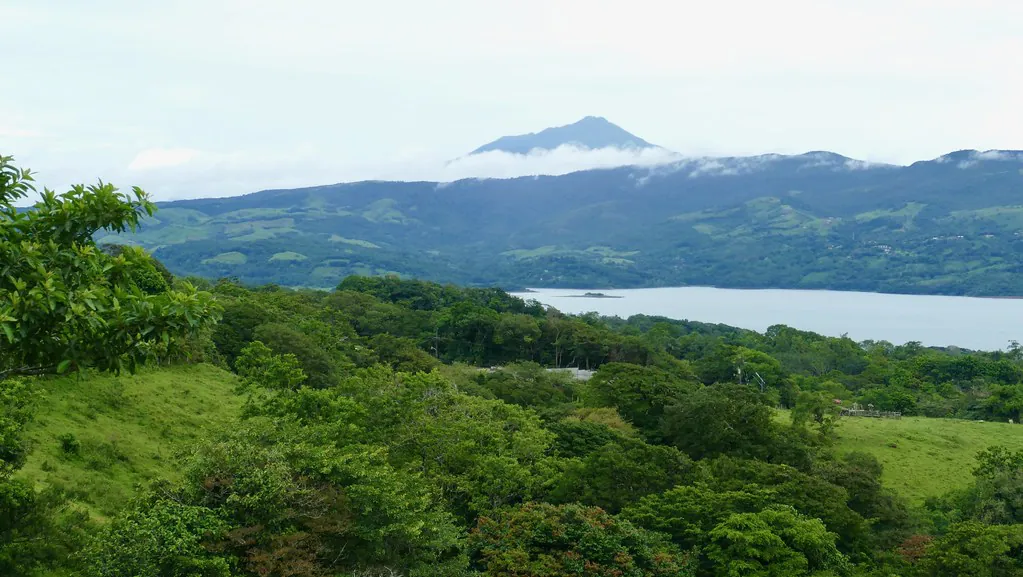
While the Rio Celeste is the undisputed crown jewel of the Tenorio Volcano National Park, it serves as the anchor for a much larger, untamed region known as the Northern Corridor. This area, where the Tenorio and Miravalles volcanoes meet, creates a unique microclimate—a transition zone between primary cloud forests and the expansive wetlands bordering Nicaragua. Travelers often make the mistake of visiting for a single day, missing the complex biodiversity that lives just outside the park boundaries.
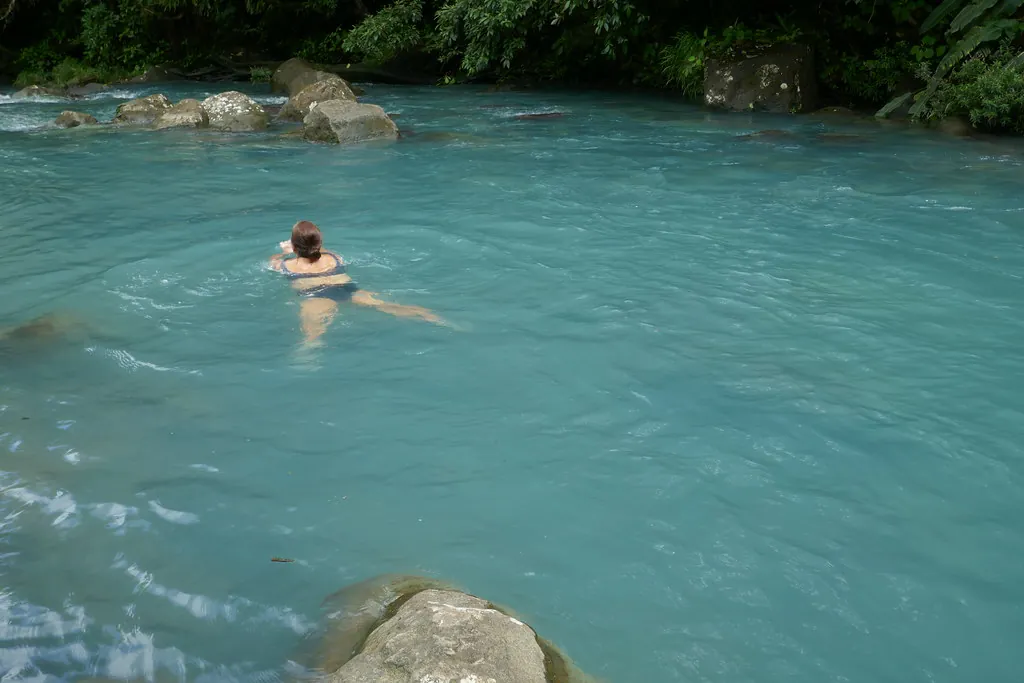
Bijagua is more than a gateway to the blue river; it is a rural sanctuary where the pace of life matches the slow movement of the resident sloths.
By positioning yourself in Bijagua or Upala for a multi-day stay, you unlock access to hyper-local biodiversity reserves, volcanic hot springs, and a side of Costa Rica that remains largely untouched by mass tourism. Staying locally allows you to reach the park entrance at 8:00 AM, a strategy outlined in our Seasonal Weather Guide to avoid the mid-day crowds. Beyond the technical science of the blue water, the surrounding lowlands offer a rugged interior that requires a strategic approach to transit, often involving 4×4 vehicles as detailed in our transport guide.
Regional Comparison: Where to Explore Next
| Attraction | Vibe | Key Highlight | Travel Time from Park |
|---|---|---|---|
| Tapir Valley | Exclusive/Eco-Luxury | Rare Tree Frogs & Tapirs | 15 mins |
| Heliconias | Adventure/Nature | Hanging Bridges | 20 mins |
| Miravalles Volcano | Geothermal/Rural | Hidden Hot Springs | 45 mins |
| Caño Negro | Wetlands/Safari | Boat-based Birdwatching | 90 mins |
The Bijagua Biodiversity Belt
Tapir Valley Nature Reserve
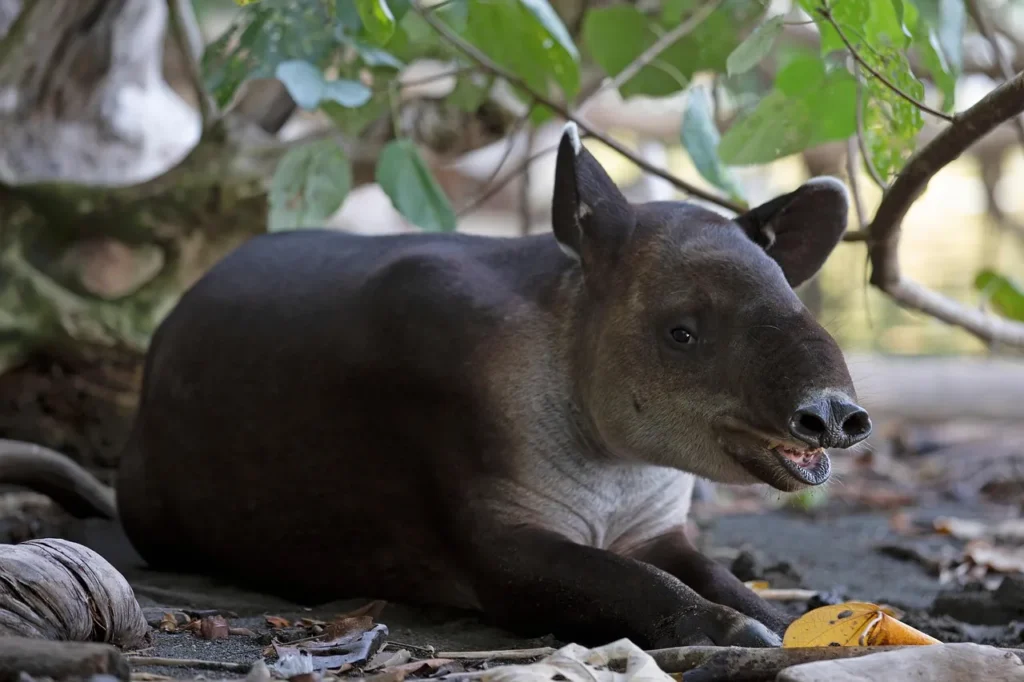
A 220-acre private sanctuary and a critical wildlife corridor, Tapir Valley is a masterclass in reforestation. This is the only place on earth where you can spot the Tapir Valley Tree Frog (Tlalocohyla celeste), a species discovered in 2018 and formally described by science in 2022. The reserve operates with a strict limit on guest numbers to ensure the Baird’s Tapirs—massive, prehistoric-looking mammals—remain undisturbed in their natural habitat.
- Wetland Platform designed for observing aquatic birds and elusive mammals.
- High-speed Hummingbird Garden featuring over a dozen local species.
- Guided Night tours specifically tailored for spotting Baird’s Tapirs at their most active.
Heliconias Hanging Bridges
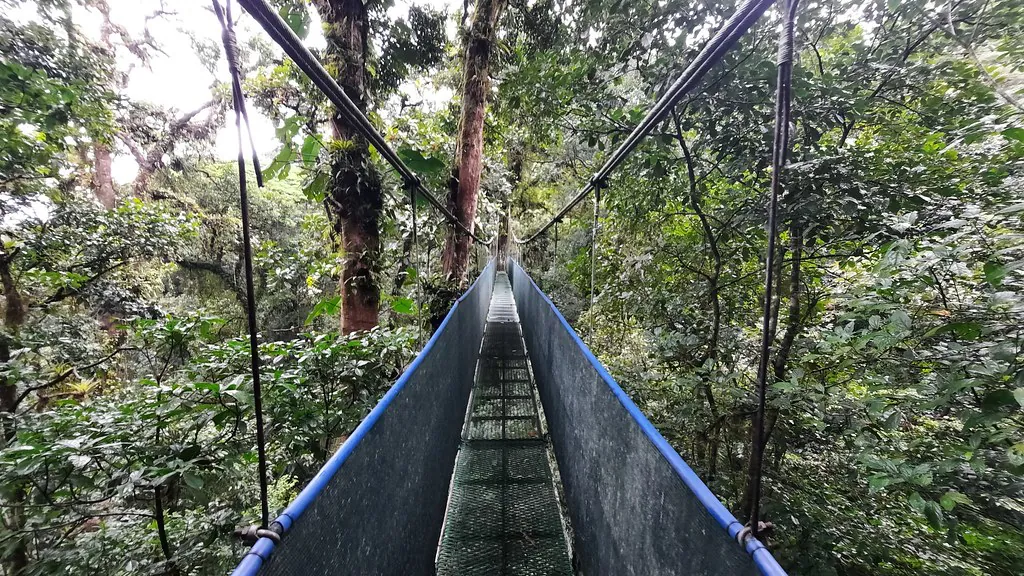
This community-run project serves as a vital biological bridge between the Tenorio and Miravalles volcanoes. The facility features 2.5 kilometers of trails and three significant suspension bridges, the longest of which is suspended 35 meters above the forest floor. Walking through the canopy of this primary rainforest offers a bird’s-eye view of the complex ecosystem that feeds the Rio Celeste watershed.
Unlike the trails within the National Park, these bridges offer a unique vantage point of Lake Nicaragua and the Miravalles Volcano. Keep an eye out for the Ornate Hawk-Eagle and the vibrant Keel-Billed Toucan, which frequent the fruiting trees along the trails. It provides a perspective of the rainforest that is otherwise inaccessible, making it a premier spot for high-altitude photography.
Geothermal Wonders & Local Secrets
Miravalles Volcanic Activity
The Miravalles Volcano is the “sleeping giant” next to Tenorio. While Tenorio is known for its chemistry, Miravalles is known for its heat. Visit Las Hornillas Volcanic Center to walk inside an active (though stable) volcanic crater. This is the only place in Costa Rica where you can walk directly inside an active crater to stand amidst bubbling mud pots and hissing fumaroles. The experience is visceral; the scent of sulfur and the sight of steam rising from the earth provide a raw look at the tectonic forces shaping the region.
After exploring the crater, visitors can transition to therapeutic volcanic clay baths and natural hot springs. Unlike the commercialized springs in La Fortuna, these pools offer a quiet, rural experience. The mineral content of the water is high, and the surrounding secondary forest is home to various monkeys and tropical birds.
The “Free Pool” (Rio Celeste Bridge)
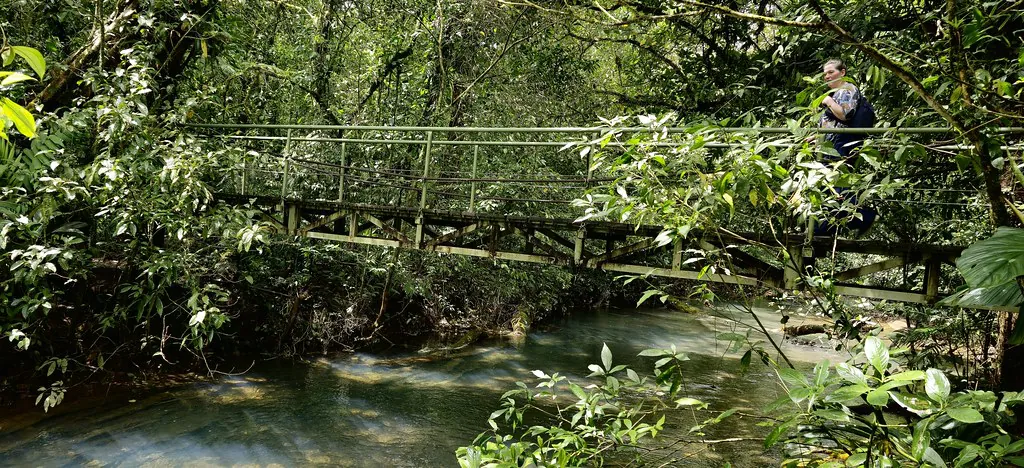
Swimming is strictly prohibited inside the National Park to protect the delicate mineral balance of the water. However, the “Free Pool” offers a legal alternative. Located approximately 1 kilometer past the park entrance toward Katira, this spot allows you to immerse yourself in the turquoise water. You access the river via a small, unmarked path tucked under the bridge. It is the quickest way to cool down after the 3.7-mile hiking trail inside the park.
There is no official entrance fee for this natural swimming hole. Local entrepreneurs often manage parking on the shoulder for a small fee, usually around 2,000 colones. Always check for current water conditions; heavy rain upstream can turn the turquoise water brown in minutes. For more on how to time your visit for the best colors, see our Best Time to Visit guide.
Rural Charm & Wetlands: The Upala Frontier
Caño Negro Wildlife Refuge
Ninety minutes north of Bijagua lies the Caño Negro Wildlife Refuge, a RAMSAR wetland site of international importance. This is a “water safari” experience. Exploring by boat is the only way to navigate the lagoons where caimans sun themselves on the banks and spider monkeys swing through the overhanging branches. During the dry season (January to April), the receding waters concentrate wildlife, making it one of the most reliable spots for birdwatching in Central America.
Keep a sharp eye out for the prehistoric-looking Gar fish, a living fossil that inhabits these waters. The refuge is also a critical habitat for the Jabiru stork, the tallest flying bird in Latin America. It is a stark contrast to the mountainous terrain of Tenorio, offering wide horizons and slow-moving rivers.
Local Cacao & Maleku Culture
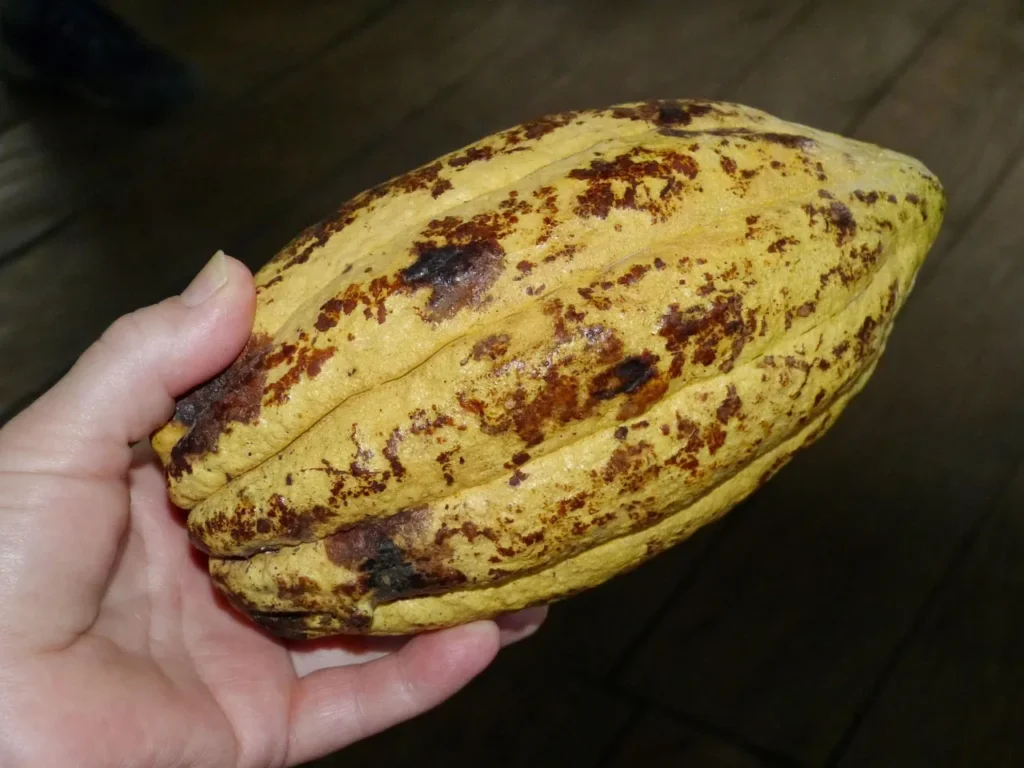
The Bijagua area is famous for its rich volcanic soil, which is ideal for “bean-to-bar” cacao production. Local family farms offer tours that demonstrate how cacao is traditionally harvested, fermented, and processed. These tours often bypass the industrial fluff of larger operations, focusing instead on the cultural significance of cacao as a staple of the regional economy.
For a deeper cultural immersion, visit the Maleku Indigenous Reserve (Palenque Tonjibe) in Guatuso. This is one of the few places where you can learn about the Maleku Jaica language directly from the remaining 600 tribe members. They are master craftsmen of “Jicara” (gourd) art and will often share their medicinal plant knowledge. When visiting, remember to follow the advice in our tipping guide to support these local communities respectfully.
Logistics: Building Your Itinerary
To fully experience these gems, we recommend a 3-day stay in the region. Most attractions outside the National Park do not require the SINAC online booking, but private reserves like Tapir Valley require advanced reservations due to limited capacity. Unlike the park entrance, which is strictly managed, many of these local spots offer a more flexible, personal experience. For safety in these more remote areas, review our safety tips for the Northern Highlands.
- Day 1: Rio Celeste Waterfall & Tenorio Trail. Spend the morning at the park and the afternoon at the “Free Pool.”
- Day 2: Tapir Valley (Morning) & Miravalles Hot Springs (Evening). A balance of high-end wildlife spotting and volcanic relaxation.
- Day 3: Caño Negro Day Trip or Heliconias Bridges. Choose between the wetlands of the north or the canopy of the cloud forest.
Book Your Northern Highland Adventures

Rio Celeste Waterfall Hike from Arenal
⭐ Professional local guide included
🔥 Booked 10 times this week

Tubing in Rio Celeste
⭐ Professional local guide included
🔥 Booked 11 times this week

La Fortuna: Mistico Park Hanging Bridges Guided Tour
⭐ Professional local guide included
🔥 Booked 12 times this week

Safari Float and wild life experience in Arenal
⭐ Professional local guide included
🔥 Booked 13 times this week

Tour / Night Walk La Fortuna
⭐ Professional local guide included
🔥 Booked 14 times this week

La Fortuna Arenal Bird Feeder Station and Butterfly Garden
⭐ Professional local guide included
🔥 Booked 15 times this week
Frequently Asked Questions
Can I visit both the Rio Celeste and Miravalles Volcano in one day? While physically possible, it is not recommended because both locations require significant walking and are roughly 45 to 60 minutes apart by car. To truly experience the bubbling mud pots at Miravalles and the waterfall at Tenorio, you should dedicate separate days or a very early start to ensure you aren’t rushing through the natural beauty.
Is a 4×4 vehicle necessary for these nearby attractions? While the main roads to Bijagua and the National Park entrance are paved, many of the secondary roads leading to spots like Tapir Valley or deeper into the Miravalles region can be rugged and unpaved. During the rainy season, these tracks become muddy and slick, making a 4×4 vehicle a much safer and more reliable option for regional exploration.
Are there entry fees for the “Free Pool” under the bridge? There is no official entry fee for the swimming area under the Rio Celeste bridge because it is a public waterway. However, local residents often manage the small parking area on the roadside and will charge a nominal “watchman” fee of approximately $2 to $4 USD to keep your vehicle secure while you swim.
What should I wear for a day trip to Caño Negro? Because Caño Negro is a wetland environment at a lower elevation than Bijagua, it is significantly hotter and more humid. You should wear lightweight, breathable clothing, a wide-brimmed hat, and plenty of sun protection, as most of the tour is spent on an open or semi-covered boat on the river.
Can I see sloths in Bijagua without a guide? While sloths are common in the Cecropia trees around town, they are notoriously difficult to spot with an untrained eye because they remain motionless and blend into the canopy. Visiting a dedicated reserve like the Sloth Forest Bijagua significantly increases your chances, as the local guides know the specific trees where the two-toed and three-toed residents are currently resting.