How to Spot a Sloth: Rainforest Observation Tips
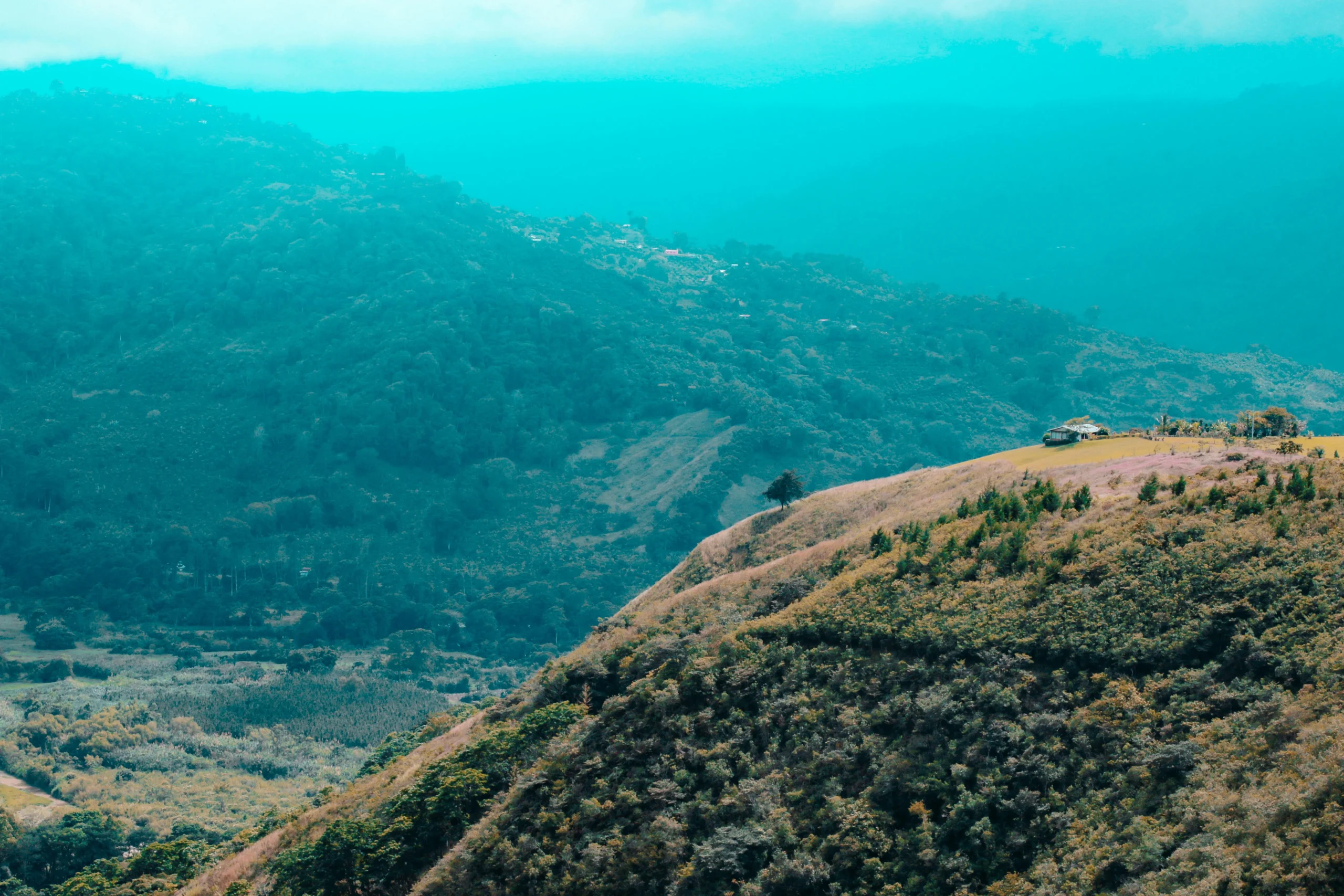
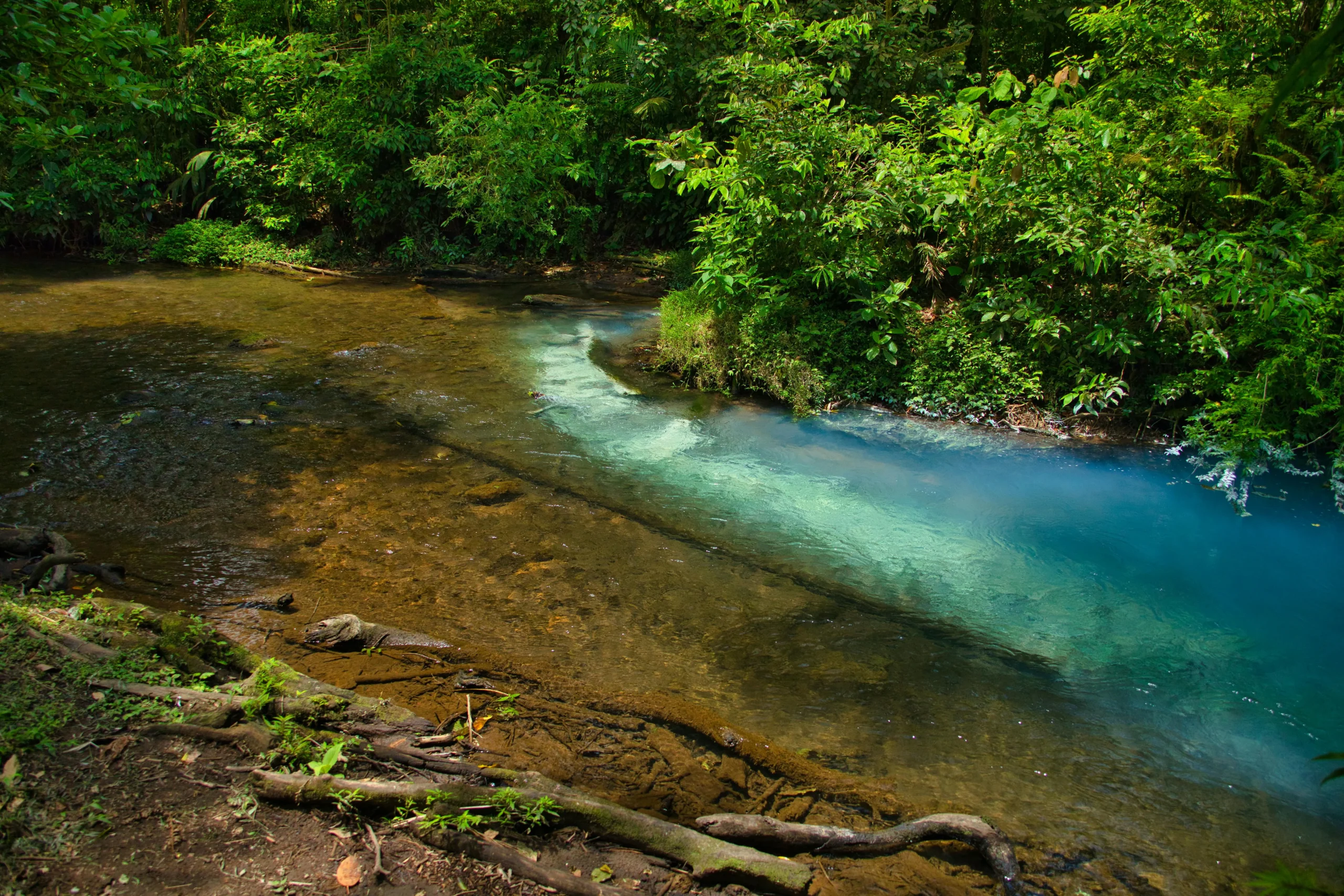
The Bijagua-Tenorio corridor serves as a unique biological bridge between the primary cloud forests of the volcano and the lush rural lowlands. This specific altitude, hovering between 400 and 500 meters, creates a humidity-rich microclimate that makes it one of the most reliable places in Costa Rica to spot both species of sloths in their natural habitat, often just meters away from the turquoise waters of Rio Celeste. While the famous blue river gets its color from aluminosilicate minerals coating the riverbed rocks, the surrounding canopy is a theater of survival where these slow-moving mammals have mastered the art of invisibility.
Understanding the geography is the first step in a successful sighting. The valley tucked between the Tenorio and Miravalles volcanoes acts as a funnel for moisture, sustaining a high density of primary food sources that are absent in the drier Guanacaste plains. If you are coming from the coast, as detailed in our guide on how to get to Rio Celeste, the sudden transition to deep green foliage signals that you have entered the sloth’s primary territory.
Sloth Spotting Logistics in Bijagua
| Activity | Best Time | Visibility Tip | Average Cost |
|---|---|---|---|
| Three-toed Sloth Spotting | 7:00 AM – 10:00 AM | Look for Cecropia (Guarumo) trees with solar exposure. | Included in Park Entry |
| Two-toed Sloth (Nocturnal) | 5:30 PM – 8:00 PM | Requires a guided night tour for active movement. | $35 – $55 USD |
| Guided Sloth Trail | Anytime | Higher success rate with local high-powered spotting scopes. | $25 – $40 USD |
Identification Guide: Three-Toed vs. Two-Toed
The Three-Toed (Bradypus variegatus)
The Brown-throated Three-Toed Sloth is the species most visitors envision. They are strictly diurnal, meaning their activity peaks during daylight hours, making them the primary target for hikers on the main Rio Celeste trails. You can identify them by the “bandit mask”—a distinct dark patch of fur around the eyes that contrasts against a lighter face. Their skeletal structure includes extra neck vertebrae, allowing them to rotate their heads 270 degrees, a vital adaptation for scanning for predators while remaining motionless.
The Two-Toed (Choloepus hoffmanni)
Hoffmann’s Two-Toed Sloth is larger, shaggier, and possesses a prominent, pig-like snout. Unlike their three-toed cousins, these are nocturnal creatures. During a standard day hike, you will likely find them curled into a tight, golden-brown ball high in the canopy, often indistinguishable from a large termite nest or a clump of “ball moss” (Tillandsia recurvata). To see them moving, you must book a night walk, which we recommend in our visitor planning guide as the best way to see the forest’s secondary “shift” of wildlife.
To find a sloth, find a Cecropia. These umbrella-shaped trees with hand-like leaves are the “fast food” of the sloth world. Scan the “forks” where the branches meet the trunk—that’s where they feel most secure while sleeping.
Local Guide Tip
The “Cecropia” Strategy: Locating the Primary Food Source
In the Bijagua valley, sloth spotting is less about looking for animals and more about identifying specific botany. The Cecropia obtusifolia, locally known as the “Guarumo” tree, is the anchor of the local sloth population. These trees grow rapidly in disturbed soils and along the edges of the Tenorio rainforest. Their large, palmate leaves are high in water content but low in calories, which dictates the sloth’s entire existence.
When scanning a Cecropia, don’t look at the leaves first. Look at the joints. Sloths prefer to wedge themselves into the “V” where a large branch meets the main trunk. This provides structural support and protection from the wind. In the Bijagua area, these trees are often located on the periphery of cattle pastures or near the riverbanks, where the sun can penetrate the lower canopy levels.
Scanning for “Canopy Windows” and Solar Exposure
Sloths are essentially solar-powered. Because their metabolism is so slow, they cannot maintain a constant body temperature through food alone. They rely on “canopy windows”—gaps in the forest ceiling where direct sunlight hits the mid-story branches. On a chilly morning in the Tenorio foothills, sloths will move toward these sun-drenched outer branches to jump-start their digestive systems. Without this heat, the fibrous leaves in their multi-compartment stomachs would ferment rather than digest, potentially leading to starvation even on a full stomach.
This behavior is particularly pronounced after a heavy downpour. As we discuss in the seasonal weather guide, the Bijagua region experiences significant rainfall. Immediately after the rain stops and the clouds break, sloths perform a “drying ritual.” They move to the edges of Terminalia catappa (Tropical Almond) branches to dry their fur. This is the golden hour for photographers. The movement triggered by barometric pressure shifts makes them far easier to spot than when they are tucked away during a storm.
The Art of the Algae Camouflage
Sloths carry an entire ecosystem in their fur. A symbiotic green algae called Trichophilus grows within specialized cracks in their hair shafts. During the peak of the rainy season, this algae flourishes, giving the sloth a distinct greenish hue that blends perfectly with the moss-covered branches of the Tenorio cloud forest. This is not dirt; it is a highly evolved camouflage that protects them from harpy eagles and jaguars. When using binoculars, you aren’t looking for fur—you are looking for an irregular, mossy shape that breathes.
- Use binoculars with at least 8×42 magnification. Smaller lenses struggle with the high-contrast light of the canopy.
- Focus on the “V” joints of trees rather than the outer leaves.
- Listen for the sound of falling leaves; sloths are messy eaters and often drop half-chewed Cecropia stems.
- Check the ground level once a week—sloths only descend to the forest floor to defecate, a dangerous ritual that lasts about 30 minutes.
- If a shape seems too perfectly round and static, it is likely an arboreal termite nest. Watch for the subtle “heaving” motion of a breathing chest.
Beyond the Sloth: Regional Biodiversity
While sloths are the headline act, the Bijagua area is a critical corridor for other rare species. The nearby attractions like the Tapir Valley Nature Reserve offer a chance to see the endangered Baird’s Tapir, a prehistoric-looking mammal that weighs up to 600 pounds. At dusk, these “mountain cows” emerge from the forest to forage in the marshlands. If you are staying in town, keep an eye on the fence posts for the Blue-Sided Leaf Frog, a rare amphibian with lavender flanks that is almost exclusive to this volcanic transition zone.
Recommended Wildlife & Sloth Tours

Rio Celeste Waterfall Hike from Arenal
⭐ Professional local guide included
🔥 Booked 10 times this week

Tubing in Rio Celeste
⭐ Professional local guide included
🔥 Booked 11 times this week

La Fortuna Night Walk in High Biodiversity Rainforest
⭐ Professional local guide included
🔥 Likely to sell out soon!

La Fortuna: Mistico Park Hanging Bridges Guided Tour
⭐ Professional local guide included
🔥 Booked 13 times this week

La Fortuna Arenal Bird Feeder Station and Butterfly Garden
⭐ Professional local guide included
🔥 Booked 14 times this week

White Water River Rafting Class II-III from La Fortuna-Arenal
⭐ Professional local guide included
🔥 Booked 15 times this week
Frequently Asked Questions
Where is the best place to see sloths near Rio Celeste?
The most reliable sightings occur on the private farms and secondary forests in the Bijagua valley floor, roughly 15 minutes from the national park entrance. While they exist inside the park, the canopy there is significantly higher and denser, making them much harder to spot without a professional spotting scope.
Can I see sloths inside the Tenorio Volcano National Park?
Yes, sloths inhabit the entire park, but they are most frequently spotted along the first 1.5 kilometers of the main trail before the elevation gain becomes too steep. Look for the transition areas where the forest opens up slightly, as these mammals prefer the increased solar exposure found near trail clearings.
Is it better to hire a guide to see sloths?
Hiring a guide is highly recommended if you want to see more than just a brown ball in the distance. Local guides in Bijagua track “home trees” where specific sloths have lived for years, and they carry high-powered Swarovski or Vortex spotting scopes that allow you to see the individual hairs and the symbiotic moths living in their fur.
Do sloths come down from the trees?
Sloths only descend to the forest floor once every seven to ten days to relieve themselves, a process that leaves them extremely vulnerable to predators. If you are lucky enough to see a sloth on the ground, maintain a distance of at least 5 meters and never attempt to help it move, as this causes extreme cardiovascular stress.
Can I touch or hold a sloth in Costa Rica?
No, it is strictly illegal to touch, hold, or take “sloth selfies” with wild animals in Costa Rica under the national wildlife laws. Ethical tourism is a pillar of the Rio Celeste experience; sloths have a very slow heart rate and being handled by humans can cause them to go into shock or develop respiratory infections from human bacteria.