Top 5 Safety Tips for Solo Travelers in the Northern Highlands
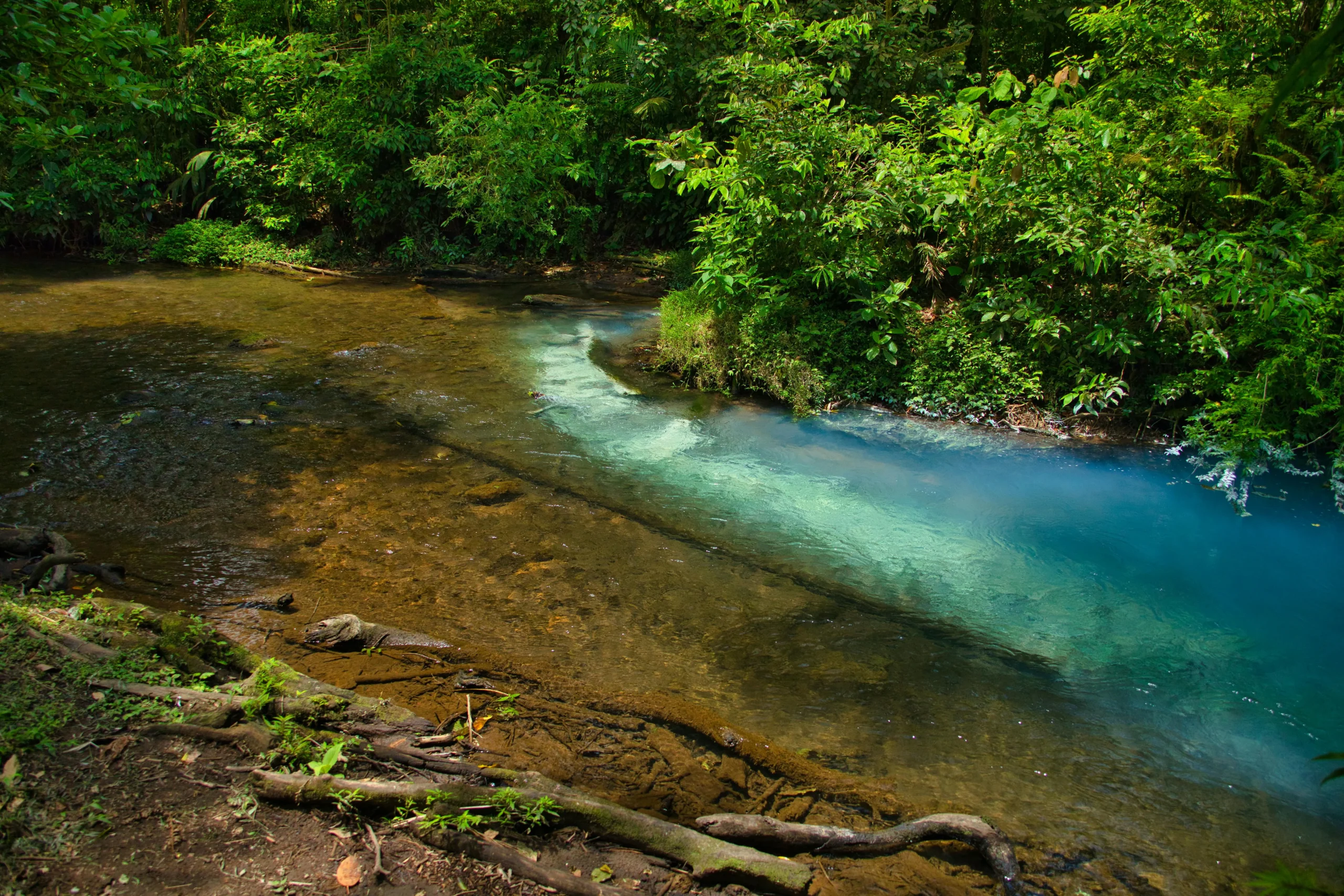
The Northern Highlands of Costa Rica, specifically the rugged corridors between Bijagua and Upala, offer a distinct flavor of adventure compared to the manicured tourism of La Fortuna. For the solo traveler, this region provides a rare opportunity for profound solitude amidst primary cloud forests and the ethereal glow of Rio Celeste. However, transitioning from a ‘tourist-ready’ zone to a rural volcanic landscape requires a shift in mindset and preparation. The sky-blue water of the river is not a result of dyes or magic but a physical reaction caused by the suspension of aluminosilicate minerals. This same raw, geological reality extends to the local infrastructure, which demands more from a solo explorer than the standard Central Valley itinerary.
In the Northern Highlands, the luxury isn’t in the amenities; it’s in the silence of the trail before the crowds arrive.
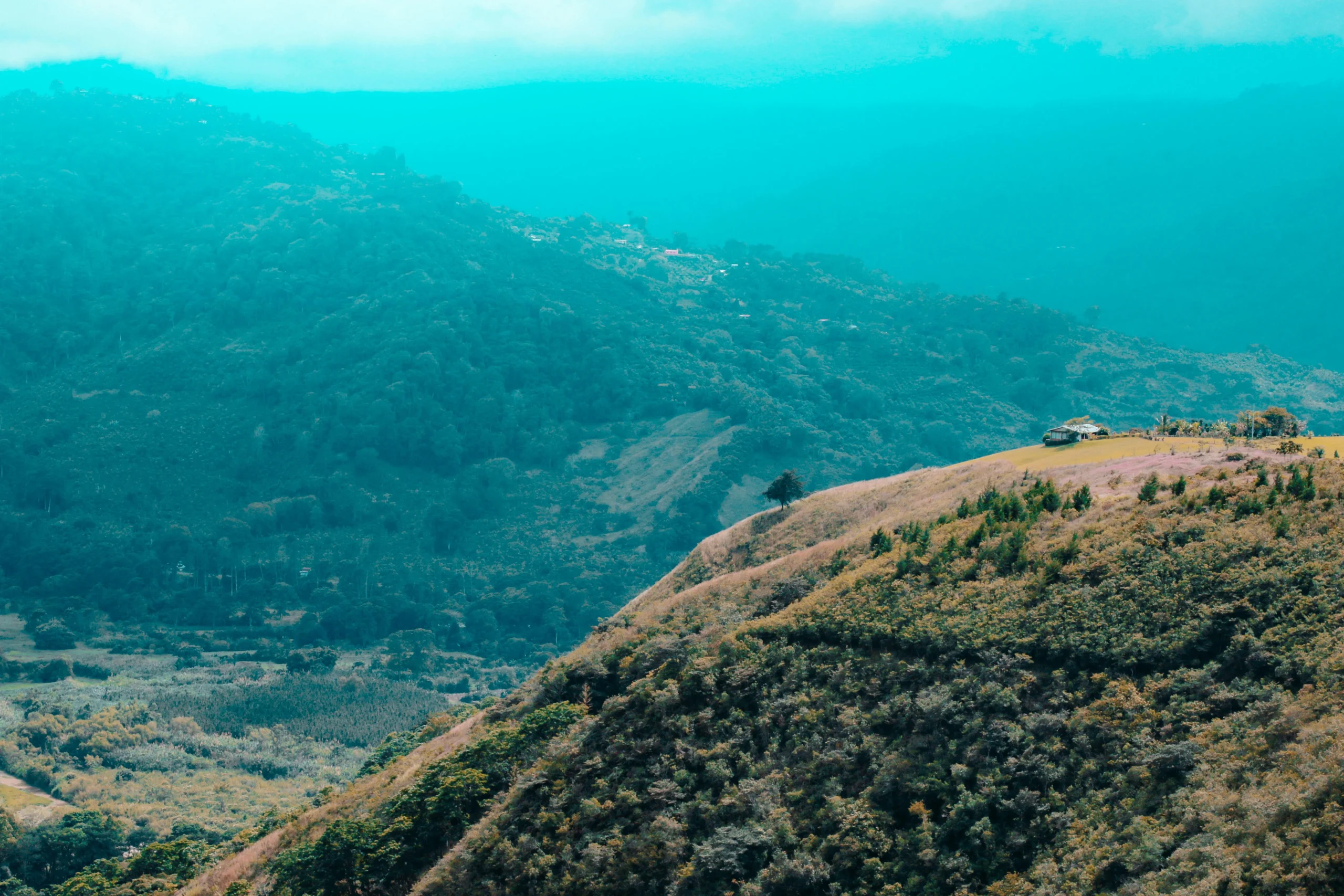
Understanding the Remote Landscape of Bijagua and Upala
While San José and the Central Valley function with a predictable urban rhythm, the Bijagua region operates on a different geological and social clock. Solo travelers are increasingly drawn to the Tenorio region for its lack of commercial saturation, but this isolation comes with a trade-off in rural infrastructure. You will encounter unpaved roads that turn into mud-slurries during the rainy season and a total lack of street lighting once you exit the main town centers. The Wildlife & Nature Guide highlights the biological diversity here, yet navigating this terrain solo means you are your own primary navigator, mechanic, and safety officer.
The elevation gradient here is significant, shifting rapidly from 700m to 1,200m. This “Transition Zone” creates frequent “misticismo”—a thick cloud forest mist that can reduce visibility to less than ten meters within minutes. For a solo hiker, this means the environment can change from a clear path to a disorienting white-out before you reach the Teñideros. Understanding this physical reality is the first step toward a safe solo expedition.
1. Avoiding the Waze “Shortcut” Trap
Digital maps are a solo traveler’s best friend until they become a liability. When driving from La Fortuna toward Rio Celeste, Waze and Google Maps frequently suggest a “shortcut” through Colonia Puntarenas. This is a hazardous error for anyone in a standard rental car. These suggested routes often lead directly into unmapped river crossings or 45-degree gravel inclines that lack the traction necessary for anything other than a heavy-duty 4×4. If you are traveling alone, getting stuck in a remote river crossing in Colonia Puntarenas means waiting hours for a local tractor to pull you out, as most towing services will not service these “phantom” roads.
- Stick to the Main Arteries: Always route through the town of Bijagua, even if the GPS claims a 15-minute time save via a secondary backroad.
- Ignore the “Time Save” Prompts: Waze does not distinguish between a paved secondary road and a steep, rocky track; prioritize the recommended routing for solo drivers.
- Verify with Locals: If a road looks like a private farm track, it probably is—backtrack to the last paved intersection immediately.
2. Managing the Cellular “Blackout” Zone
Connectivity is not a guarantee in the Northern Highlands. A total cellular “blackout” zone begins approximately 5 kilometers before the Tenorio Volcano National Park entrance and extends deep into the mountain gaps. If your car breaks down or you take a wrong turn in this 5km radius, your smartphone becomes a paperweight. You cannot call for roadside assistance or message your lodge for directions once you enter this dead zone.
- Offline Maps: Download the entire Alajuela province on Google Maps before leaving your hotel wifi.
- The WhatsApp Standard: Local emergency services and lodges in Bijagua rely almost exclusively on WhatsApp; ensure you have a local “Kolbi” SIM card for the best regional penetration.
- Battery Backup: Carry a 10,000mAh power bank; cold mountain air drains smartphone batteries 30% faster than the coastal heat.
- Safety Check-in: Always share your GPS “last seen” and your intended return time with a contact before the 5km blackout begins.
3. The 5:30 PM “Dusk Deadline” for Driving
Driving at night in the Northern Highlands is not merely difficult; it is statistically the most dangerous activity for solo travelers. There is a total lack of street lighting on the connector roads between Bijagua and Upala. More importantly, the asphalt retains the day’s heat, which attracts free-roaming cattle and horses. These animals migrate onto the warm roads after sunset, creating a massive collision risk in the darkness. For a solo driver, hitting a 1,200-pound steer on an unlit mountain road is a catastrophic scenario.
The rule is absolute: Be off the road by 5:30 PM. Timing your arrival to your lodge during daylight is the single most effective safety decision you can make.
4. Vehicle Security: The Rental “Sticker” War
Rental cars in Costa Rica are easily identified by professional thieves due to mandatory barcoded stickers and specific license plate series. Solo travelers are particularly vulnerable at trailheads outside of the official park boundaries. “Smash-and-grabs” are opportunistic and can occur in the time it takes to snap a single photo. Even if you think a bag is hidden in the trunk, the presence of a rental sticker marks the vehicle as a high-value target.
- The “Official Red Taxi” Protocol: In Bijagua and Upala, avoid “Taxi Piratas” (unmarked private cars). Only use official red taxis with the yellow triangle on the door or have your lodge call a registered “Transporte Privado.”
- Empty the Cabin: Do not leave so much as a charging cable or a bag of snacks visible in the car while hiking.
- The Trailhead Guard: Only park in lots where a “Cuidacarros” (car guard) is present, and pay the 2,000 to 3,000 Colones fee—it is cheap insurance for your passport and gear.
5. Logistics: The 2:00 PM Hard Cutoff
One of the most critical safety and logistical hurdles is the strict SINAC entry policy at Tenorio Volcano National Park. Unlike many international parks with a soft closing time, the gate here is a hard barrier. If you are not through the entrance by 2:00 PM, your ticket is forfeited. For solo travelers driving from major hubs, underestimating the transit time is the most common reason for a ruined itinerary. Reference the Best Time to Visit to understand why morning arrivals are non-negotiable.
| Departure Point | Distance | Estimated Drive Time | Recommended Departure |
|---|---|---|---|
| Liberia (LIR) | 85 km | 1.5 – 2 Hours | 8:00 AM |
| San José (SJO) | 210 km | 4 – 5 Hours | 6:00 AM |
| La Fortuna | 70 km | 1.5 Hours | 8:30 AM |
| Tamarindo | 160 km | 3 – 3.5 Hours | 7:00 AM |
Regional Authority: Beyond the Park Gates
If you have extra time, the Nearby Attractions around Bijagua offer safer, community-led experiences for solo travelers. The Tapir Valley Nature Reserve is a prime example of local conservation. In 2021, a completely new species of frog, the “Tapir Valley Tree Frog” (Tlalocohyla celeste), was discovered here. This “electric green” frog with a yellow stripe exists nowhere else on earth. For a solo traveler, booking a private guide at Tapir Valley ensures you are not wandering alone in the rainforest while still accessing world-class biodiversity.
Another essential stop is Las Hornillas near the Miravalles Volcano. This is the only place in Costa Rica where visitors can safely walk inside an active volcanic crater. You can observe bubbling mud pots and fumaroles without the risks associated with deep-wilderness trekking. As you drive through this area, you will notice massive silver “steaming tubes” running parallel to the road. These carry volcanic steam to the ICE geothermal power plants, providing a stark, industrial contrast to the primary forest of the Rio Celeste hiking trails.
The Bijagua Financial Hub: Last Call for Cash
As you move deeper into the Northern Highlands, the availability of digital payment drops sharply. Bijagua serves as the final reliable point for ATM access. For a solo traveler, carrying a “security stash” of small Colones is vital for roadside sodas, emergency fuel, or local guides who may not have card readers. Many of the best local “Sodas” (small restaurants) are cash-only, and you do not want to find yourself hungry and card-bound in the middle of a mountain gap.
Never leave Bijagua heading toward the park with less than 20,000 Colones in cash. The small ‘Sodas’ on the outskirts are cash-only gems you don’t want to miss.

Rio Celeste Waterfall Hike from Arenal
⭐ Professional local guide included
🔥 Booked 10 times this week

Tubing in Rio Celeste
⭐ Professional local guide included
🔥 Booked 11 times this week

Río Celeste Nature Hike and Swimming experience at the blue river
⭐ Professional local guide included
🔥 Booked 12 times this week

Tour / Night Walk La Fortuna
⭐ Professional local guide included
🔥 Booked 13 times this week

Zipline Over La Fortuna Waterfall – 7 Longest Lines
⭐ Professional local guide included
🔥 Likely to sell out soon!

La Fortuna Arenal Bird Feeder Station and Butterfly Garden
⭐ Professional local guide included
🔥 Booked 15 times this week
Solo Traveler Safety FAQ
- Is it safe for women to hike Rio Celeste solo? Yes, the main trail within Tenorio Volcano National Park is well-trafficked and monitored by park rangers, making it very safe for solo female travelers. You should always stay on the marked paths and avoid the park’s perimeter after the 4:00 PM closing time.
- What happens if I miss the 2:00 PM entry cutoff? The park strictly enforces this limit because the trek takes approximately 3 hours, and they must ensure all hikers are out before sunset. Your ticket will likely not be refunded, and you will need to purchase a new one for the following day via the SINAC portal.
- Do I need a 4×4 if I’m traveling alone? During the rainy season (May-November), a 4×4 or high-clearance SUV is highly recommended for solo drivers to navigate the muddy, unpaved sections near Upala. During the peak dry season, a 4×2 may suffice for the main roads, but a 4×4 provides a critical safety margin on steep gravel slopes.
- Can I pay for park entry at the gate with cash? No, all tickets must be purchased in advance through the SINAC online portal; no cash or credit cards are accepted for entry at the gate. This is a common point of frustration for solo travelers who arrive without a digital reservation.
- Are there lockers for solo travelers to store bags? There are no official lockers inside the national park, which is why you must never leave valuables in your car. However, many nearby restaurants in Bijagua offer “luggage watch” services for a small fee if you are taking the public bus.
For more detailed preparation, including what to pack for the humid volcanic climate, visit our Visitor Planning & Safety hub. Safe travels into the blue.